
Turn Any Glass Bowl Into a Thriving Mini Desert
Cactus terrarium diy projects are one of the easiest ways to bring a little piece of the desert indoors — no green thumb required.
Here’s how to make a cactus terrarium in 6 steps:
- Choose an open glass container (bowl or shallow dish)
- Add a 1.5-inch drainage layer of gravel or lava rock
- Place a fine mesh barrier over the gravel
- Fill with 2-3 inches of cactus potting mix
- Plant small, slow-growing cacti using gloves or tongs
- Top with decorative sand and place in bright light
A cactus terrarium is not the same as a tropical terrarium. Tropical setups use sealed containers to trap humidity and create a mini water cycle. Cacti, which belong to the Cactaceae plant family, need the opposite — open containers, fast-draining soil, and dry air to stay healthy.
The good news? That makes cactus terrariums surprisingly low-maintenance. Water them every two to four weeks, give them plenty of bright light, and they’ll thrive for years.
They’re also genuinely enjoyable to build. Many people find the process of layering soil, arranging tiny plants, and sculpting a miniature desert landscape deeply relaxing — a creative outlet that doubles as home decor.
Whether you want a desktop centerpiece, a windowsill display, or a handmade gift, this guide covers everything you need.
Essential Materials for Your Cactus Terrarium DIY
Before we start digging in the dirt, we need to gather our supplies. Think of this as packing for a very small, very dry expedition. Because we are building a small ecosystem diy succulent terrarium, every layer serves a functional purpose.
- Open Glass Container: Forget the lids! We need maximum airflow.
- Cactus Potting Mix: Standard potting soil holds too much water. Look for a mix specifically labeled for cacti and succulents, which usually contains more sand, perlite, or grit.
- Pea Gravel or Lava Rock: This forms our “false bottom” to keep roots away from standing water.
- Activated Charcoal: This is the “insurance policy” for your terrarium. It absorbs impurities and prevents that “swampy” smell if you accidentally overwater.
- Fine Mesh or Screen: This is a pro-tip! A piece of window screen or fine mesh placed between the rocks and the soil prevents the dirt from washing down and clogging your drainage layer.
- Tongs or Silicone Gloves: Unless you have fingers made of Kevlar, you’ll want these for handling your prickly friends.
Choosing the Best Container for Airflow
When it comes to a cactus terrarium diy, the container isn’t just about aesthetics; it’s about survival. Cacti are the ultimate fresh-air fanatics. In a closed jar, humidity builds up, the air gets stagnant, and your cactus will essentially “melt” from rot.
We recommend turning glass containers into diy succulent terrariums that have wide openings. Shallow glass bowls, fishbowls (without the lid), or even geometric glass lanterns work beautifully. The goal is to allow moisture to evaporate quickly. If you see condensation on the glass, your container is too deep or the opening is too small.
Selecting the Right Cactus Terrarium DIY Plants
Not all cacti are created equal when it comes to living in a glass bowl. You want varieties that are slow-growing so they don’t hit the “ceiling” of your container within a month. When creating a mini desert diy succulent terrarium, consider these top picks:
- Mammillaria (Pincushion Cactus): These stay small, round, and often produce lovely rings of flowers.
- Echinopsis (Domino Cactus): Famous for their fuzzy white “dots” and stunning (though brief) nighttime blooms.
- Golden Barrel: While these can get huge in the wild, they grow very slowly in a terrarium environment.
- Moon Cactus (Gymnocalycium mihanovichii): These add a pop of neon color (red, pink, or yellow) because they are actually two cacti grafted together.
- Peanut Cactus: These have long, finger-like stems that can trail slightly over the edge of your bowl.
Step-by-Step Guide to Assembling Your Desert Landscape
Now for the fun part! Building your cactus terrarium diy is like creating a 3D painting. You aren’t just planting; you’re world-building.
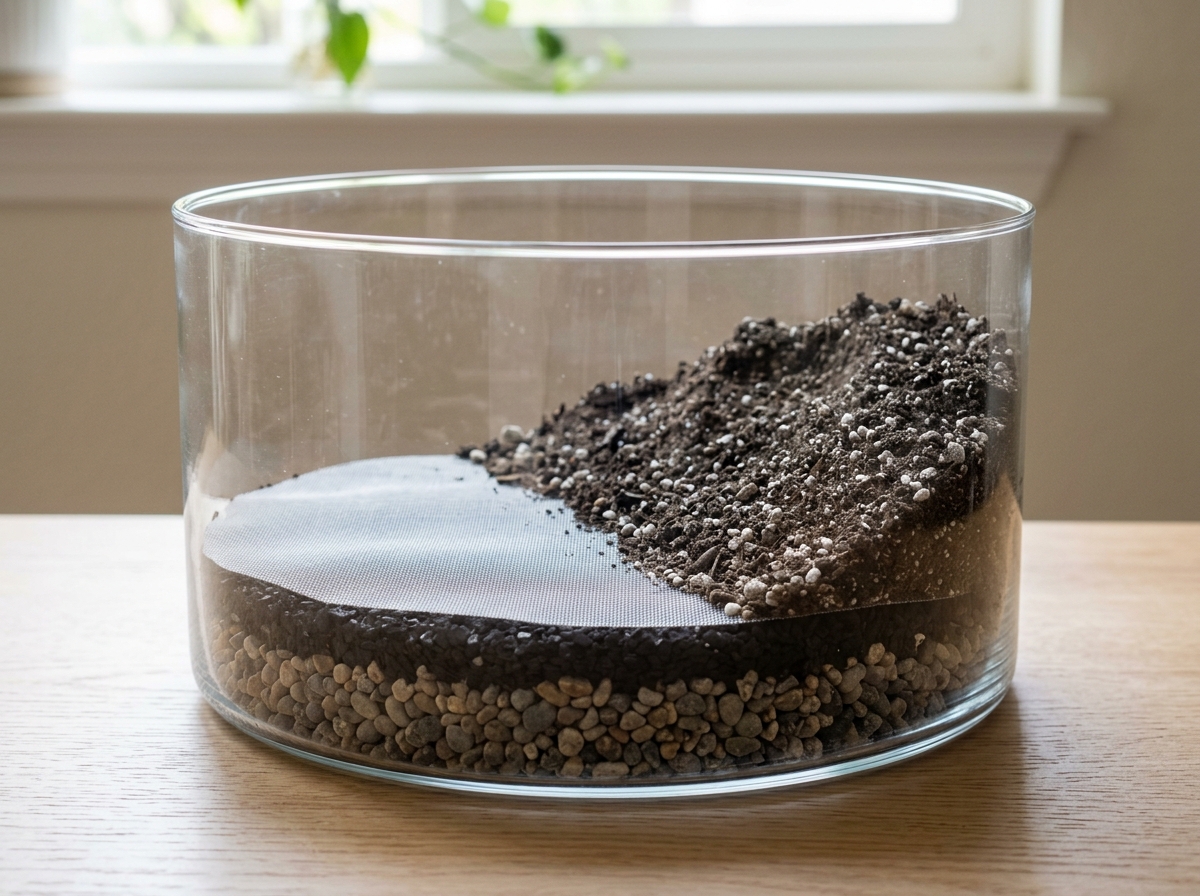
- The Foundation: Start with about 1.5 inches of pea gravel or lava rocks. This is where excess water will sit so it doesn’t touch the roots.
- The Filter: Sprinkle a thin layer of activated charcoal over the rocks.
- The Barrier: Lay your fine mesh over the charcoal. This keeps your beautiful desert landscape from turning into a muddy mess.
- The Earth: Add 2 to 3 inches of cactus soil. Don’t just flatten it! We like to mound the soil higher on one side to create a “dune” effect. This adds visual depth.
- The Layout: Before you plant, place your cacti (still in their nursery pots) on top of the soil to see how they look. We recommend using an odd number of plants—usually 3 or 5—for a more natural, balanced look.
- The Planting: Start with your largest cactus at the back or center and work your way forward.
Creating Proper Drainage to Prevent Root Rot
In cacti, “wet feet” is a death sentence. Because glass containers don’t have drainage holes at the bottom, we have to engineer a solution. This is why we are experimenting with layers in your diy succulent terrarium.
Using a “false bottom” of lava rock or river stones creates a reservoir. If you accidentally pour in too much water, it trickles down past the mesh and sits in the rocks, away from the sensitive roots. A sand barrier can also be used as a decorative middle layer, but the mesh is the most effective way to keep the drainage system clear. Follow a step-by-step guide diy water-wise succulent terrarium approach to ensure your water levels never rise above the rock layer.
Mastering the Cactus Terrarium DIY Planting Process
Planting a cactus is a bit like a high-stakes game of Operation. One wrong move and you’re spending the evening with a pair of tweezers pulling spines out of your thumb.
To make it an easy diy succulent terrarium for beginners, use the right tools. Silicone-coated gloves are great, but for very small cacti, kitchen tongs or a folded strip of paper towel wrapped around the plant works even better.
Dig a small hole, gently tease the roots of the cactus if they are pot-bound, and set it in the hole. Use a spoon to push soil around the base and firm it down. You want the plant to be stable, but don’t pack the soil so tightly that air can’t reach the roots.
Long-Term Care and Maintenance
Once your cactus terrarium diy is finished, it’s not a “set it and forget it” situation, though it’s close! Cacti are hardy, but they do have specific needs depending on the season.
| Feature | Summer Care (Growth Phase) | Winter Care (Dormant Phase) |
|---|---|---|
| Light | 6+ hours bright indirect/direct light | Brightest spot available (South window) |
| Watering | Every 2 weeks (Soak & Dry) | Every 4-6 weeks (Minimal) |
| Temperature | 70°F – 85°F | 55°F – 65°F (Keep away from drafts) |
| Fertilizer | Once a month (Diluted) | None |
Cacti need a lot of light to stay “compact.” If you don’t have a south-facing window, you might need to supplement with a small LED grow light to prevent your plants from stretching. We’ve found that a guide to creating a self-sustaining succulent terrarium can help you understand the delicate balance of light and moisture needed for long-term success.
Watering Techniques and Troubleshooting
The number one killer of cactus terrariums is overwatering. Since there are no holes in the bottom, the water has nowhere to go.
The “Soak and Dry” Method: Only water when the soil is bone-dry all the way to the bottom. Use a squeeze bottle or a small watering can with a narrow spout to apply water directly to the soil, avoiding the body of the cactus. Never mist a cactus! They prefer dry skin.
Troubleshooting Common Issues:
- Etiolation: If your round cactus starts looking like a tall, skinny cucumber, it’s “stretching” for light. Move it to a brighter spot immediately.
- Mealybugs: These look like tiny bits of white cotton. Dab them with a Q-tip dipped in rubbing alcohol.
- Yellowing/Mushy Base: This is root rot. Stop watering and hope for the best, or try to take a healthy cutting to start over.
- Mold: Usually a sign of too much humidity. Increase airflow and scrape away the affected soil.
Even if you know how to make a closed diy succulent terrarium for other plants, cacti are the exception—they need to breathe!
Decorating Your Miniature Desert
This is where your cactus terrarium diy truly becomes a piece of art. The “top dressing” (the layer on top of the soil) serves two purposes: it looks great, and it keeps the base of the cactus dry.
We love using crafty and creative diy succulent terrarium ideas to add personality:
- Decorative Sand: Use white, tan, or even black sand to create “paths” or “dunes” around your plants.
- Hardscape: Small pieces of driftwood (mopani wood is excellent), interesting river stones, or even chunks of quartz or amethyst add texture.
- Miniature Figures: A tiny plastic lizard, a miniature “No Trespassing” sign, or even a tiny skull can turn your terrarium into a desert scene straight out of a movie.
Enhancing the Workspace Aesthetic
Why settle for a boring desk lamp when you can have a living desert? A cactus terrarium diy is the perfect companion for a home office. Studies show that having greenery in your workspace can reduce stress and increase productivity. Plus, it’s a great conversation starter for those Zoom calls!
When you beautify your workspace with a diy succulent terrarium, you’re creating a “micro-break” for your eyes. Taking a moment to look at the intricate spines and slow growth of your plants can provide a much-needed mental reset during a busy day.
Frequently Asked Questions about Cactus Terrariums
How long do cactus terrariums typically last?
A well-maintained cactus terrarium can last for several years. However, because cacti are living things, they will eventually outgrow their glass home. You can expect to repot or refresh the arrangement every 2 to 4 years. When the roots start circling the glass or the plant looks like it’s about to tip over the bowl, it’s time for an upgrade!
Can I use a closed container for my cactus?
Technically, you can, but you probably shouldn’t. Closed containers trap moisture and heat, creating a “sauna” effect. Cacti are built for the desert, not the tropics. If you use a closed jar, you will likely deal with condensation, mold, and eventually, a rotted plant. Stick to open vessels for the best results.
Why is my cactus growing tall and thin?
This is called etiolation. It’s your plant’s way of screaming, “I need more light!” The cactus is stretching its cells as fast as possible to try and find a light source. Once a cactus has stretched, that part of the plant will stay thin. Move it to a sunnier window or add a grow light to ensure the new growth is healthy and thick.
Conclusion
At Opcion Rural, we believe that bringing a bit of the wild into your home shouldn’t be complicated or stressful. A cactus terrarium diy project is the perfect blend of art and nature, allowing you to create a sustainable, low-maintenance ecosystem that reflects your personal style.
Whether you’re making one for yourself or as a thoughtful, handmade gift, the process of building a mini desert is a rewarding way to spend an afternoon. Ready for your next project? Check out our More DIY projects and rural living guides for more inspiration on creative home gardening and rural lifestyle tips. Happy planting!
