
Why Rural DIY Nature Crafts Belong in Every Homestead
Rural DIY nature crafts turn free, foraged materials — pinecones, rocks, twigs, leaves, shells — into beautiful, rustic decor for your home.
Quick-start guide to rural DIY nature crafts:
- Gather materials from your yard or nearby woods: pinecones, acorns, sticks, smooth rocks, dried flowers, feathers, or shells
- Pick a project matched to your season — painted rocks in summer, leaf lanterns in autumn, ice suncatchers in winter
- Add simple supplies like acrylic paint, beeswax, twine, or non-toxic glue
- Create and display your piece as wall art, garden decor, or a functional item like a bird feeder
- Preserve it with a sealant or drying technique so it lasts
The beauty of this hobby is that your backyard is your craft store. Whether you live on a homestead or just have a patch of outdoor space, nature hands you an almost endless supply of materials — and most of them cost nothing.
Art is healing, especially when it involves nature. Research backs this up: creative activities using natural materials have been shown to reduce stress and support emotional well-being. And beyond the mental health perks, nature crafting gives you something tangible — a piece of rustic, handmade decor that brings the outdoors in.
This guide covers the best projects, materials, tools, and preservation tips to help you get started — no experience required.

The Benefits of Engaging in Rural DIY Nature Crafts
In our digital world, there is something profoundly grounding about stepping outside and working with your hands. When we engage in rural diy nature crafts, we aren’t just making “stuff”; we are participating in a tradition of self-reliance and environmental appreciation that dates back thousands of years.
Scientific research consistently highlights the wellness benefits of nature. According to the USDA Forest Service, spending time in green spaces reduces cortisol levels, lowers blood pressure, and improves overall mood. When you combine the healing power of the outdoors with the therapeutic process of art, you create a powerful tool for emotional regulation and stress reduction. It is simply more soothing to paint a delicate wildflower than it is to paint a concrete building.
For families, these activities are gold mines for development. Children practice fine motor skills through “Hapa Zome” (the Japanese art of flower bashing) or by weaving intricate patterns with grasses. They develop environmental awareness as they learn to identify which trees drop the best acorns or which vines are flexible enough for weaving.
If you are looking for a project that makes a bold statement while providing these calming benefits, check out The Step-by-Step Guide to Creating a Moss Wall Art Installation. It is a perfect example of how we can bring the forest floor directly onto our living room walls.
Essential Tools and Foraged Materials for Your Homestead
One of the best things about crafting in a rural setting is that “money doesn’t grow on trees, but craft supplies do.” Before you head out with your basket, let’s look at what you should keep an eye out for.
The Forager’s Bounty
Your homestead is a treasure trove. Depending on where you live, you might find:
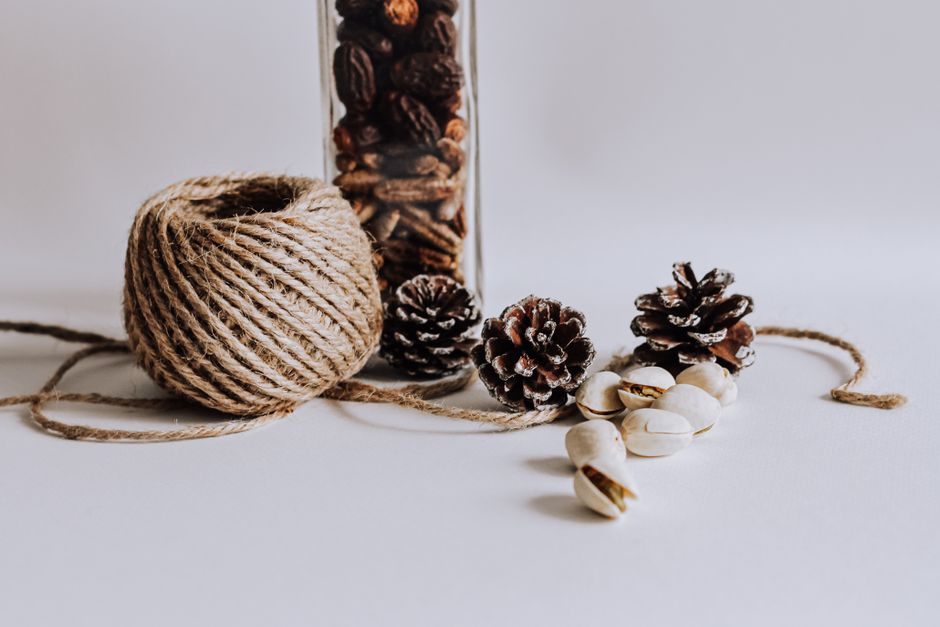
- Pinecones and Acorns: Perfect for ornaments, “bark owls,” or even eco-friendly fire starters.
- Driftwood and River Rocks: Smooth stones are the ideal canvas for mandala dotting, while driftwood makes for stunning nature mobiles.
- Wild Grapevine: These are the “muscles” of the craft world. They are incredibly strong and flexible, perfect for bird nesting balls or wreaths.
- Feathers and Dried Seed Heads: These add delicate texture to wall hangings and “nature wands.”
The Basic Toolkit
While nature provides the bulk of your materials, we recommend keeping a few basic tools on hand to make the process smoother:
- Pruners and a Sharp Garden Knife: Essential for harvesting willow or trimming grapevine.
- Non-Toxic Glue or a Glue Gun: For assembling pinecone creatures or stone art.
- Beeswax or Pine Pitch: Used for waterproofing cordage or sealing wood.
- Twine and Florist Wire: To hold structures together before they are fully woven.
Just as you might gather rocks and moss for a craft, you can apply these same foraging skills to Building a Small Ecosystem: DIY Succulent Terrarium, where the container becomes a miniature version of the landscape outside.
Simple Projects for Every Season
Nature changes its “inventory” every few months, which means your rural diy nature crafts should change too. By following the rhythm of the seasons, you ensure you always have fresh, pliable materials to work with.
Transforming Pinecones, Rocks, and Leaves into Art
These three materials are the “Big Three” of nature crafting because they are available almost year-round and are incredibly versatile.
- Mandala Stones: Find smooth, flat river rocks. Using acrylic paint or even chalk pens, create symmetrical dot patterns starting from the center. It’s a meditative process that turns a simple stone into a piece of art.
- Leaf Rubbings: An “oldie but a goldie.” Place a textured leaf under a sheet of paper and rub a metallic crayon over the top. It reveals the intricate “skeleton” of the leaf.
- Pinecone Fairies: Use an acorn for the head, a pinecone for the body, and dried leaves or feathers for wings. These are charming additions to a bookshelf or a holiday tree.
For those who enjoy the “contained” look of these natural elements, you can find inspiration in Really Simple DIY Succulent Terrariums, which utilize similar textures on a smaller scale.
Seasonal Adaptations for Rural DIY Nature Crafts
- Spring: This is the time for Daisy Chains and “flower soup.” It’s also the best time to start a Nature Journal to track the first blossoms of the year.
- Summer: Use the high sun for Sun Prints. Place leaves on light-sensitive paper to create beautiful silhouettes. This is also the season for “nature paintbrushes”—sticks with pine needles or grasses tied to the end, used for process art.
- Autumn: The harvest season! Create Leaf Lanterns by pressing colorful autumn leaves onto glass jars with watered-down glue. When a candle is lit inside, the colors glow.
- Winter: When the temperature drops, make Ice Lanterns or Ice Suncatchers. Freeze berries, evergreen sprigs, and water in a tin or balloon overnight. Hang them outside for a fleeting, crystalline display.
You can even Create a Statement Piece with a DIY Succulent Terrarium that mimics the specific colors of the season you are currently enjoying.
Functional and Play-Based Nature Projects
Nature crafts don’t have to be purely decorative. In a rural setting, we love projects that serve a purpose—whether that’s feeding the local wildlife or providing hours of screen-free play for the kids.
Creative Ways to Use Sticks and Twigs in Rural DIY Nature Crafts
Never underestimate the humble stick. It is the most basic building block of the forest.
- Branch Looms: Tie four sturdy sticks into a square or Y-shape. Wrap twine across them to create a “warp,” then weave in grasses, flowers, and feathers you find on your walks.
- Stick Rafts: Use small twigs and twine to build miniature rafts. This is a fantastic way to teach kids about buoyancy and lashing.
- Magic Wands: Decorate a special stick with beads, feathers, and yarn. It’s a staple for imaginative play in the “wild.”
- Nature Weaving: Beyond the loom, you can practice “nature weaving” directly on a fence or between two trees using long, flexible stems like willow or dogwood.
If you enjoy building structures, you might also like learning How to Make a Closed DIY Succulent Terrarium, which requires a similar eye for structural balance.
Building Habitats: Gourd Birdhouses and Nesting Balls
Helping our feathered neighbors is a core part of homesteading.
- Gourd Birdhouses: Dried bottle gourds make excellent homes for wrens and chickadees. You’ll need to scrub the gourd with soapy water (and a bit of bleach to kill mold), drill a 1.5-inch hole, and scoop out the seeds. Seal it with enamel paint to help it survive the elements.
- Nesting Balls: These are “one-stop shops” for birds looking for building materials. Weave a small ball out of wild grapevine and fill it loosely with natural fibers like raw wool, mohair, or alpaca fleece. Safety Tip: Ensure any fibers or yarn scraps are shorter than 6 inches to prevent birds from getting entangled, a safety guideline supported by the Audubon Society.
These habitat projects make for a DIY Succulent Terrariums: A Great Gift Idea—but for the birds!
Preserving and Displaying Your Natural Creations
One challenge with rural diy nature crafts is that nature is designed to decompose. If you want your masterpieces to last, you need to intervene.
Preservation Techniques
- Drying: For flowers and leaves, pressing them between heavy books for 2-3 weeks is the standard. For larger items like gourds or wood slices, ensure they have plenty of airflow in a dry, dark place.
- Sealing: A light coat of clear polyurethane or acrylic spray can protect painted rocks and wood coasters from moisture.
- Beeswax Coating: For a more natural finish, dipping leaves or coating twine in melted beeswax preserves the color and adds a lovely scent.
| Material | Best Preservation Method | Expected Longevity |
|---|---|---|
| Autumn Leaves | Wax dipping or pressing | 6–12 Months |
| Wood Slices | Sanding + Polyurethane | Years |
| Smooth Rocks | Acrylic Sealer | Indefinite |
| Dried Flowers | Silica gel or Hairspray | 1–2 Years |
Once preserved, these items can Beautify Your Workspace with a DIY Succulent Terrarium by adding a touch of the wild to your desk.
Frequently Asked Questions about Nature Crafting
What are the best ways to clean foraged items?
For most items like rocks or sturdy sticks, a bucket of warm, soapy water and a soft brush will do. For gourds or items that might carry mold, a solution of one part bleach to nine parts water is recommended. Always allow items to air dry completely before painting or gluing, as trapped moisture leads to rot.
How do I prevent my nature crafts from rotting?
The secret is moisture removal. Never seal an item that still feels damp. For wood projects, ensure the bark is dry. If you are making “ice crafts,” accept that they are temporary! For long-term decor, keep them in a well-ventilated area and avoid direct sunlight, which can fade natural pigments.
Are there safety concerns with certain plants?
Yes. Always identify plants before you touch them. Avoid poison ivy, oak, or sumac. If you are foraging with children, teach them not to put any berries or leaves in their mouths. When working with thorns (like hawthorn for primitive fishhooks) or sharp tools, adult supervision is a must.
Conclusion
At Opcion Rural, we believe that the most beautiful things in life are often found right outside our front door. Engaging in rural diy nature crafts allows us to slow down, observe the intricate details of the world around us, and create a home ecosystem that reflects our love for the land.
Whether you are weaving a willow basket, painting a river stone, or building a gourd birdhouse, you are doing more than just crafting—you are connecting. We hope this guide inspires you to take a walk, fill your pockets with nature’s treasures, and start your next creative journey.
For more inspiration on blending art and nature, visit us at https://www.opcionrural.com/. Happy crafting!

