
You Can Grow Real Food on Your Coffee Table (Here’s How)
A table top vegetable garden is exactly what it sounds like: a small, container-based growing setup that sits on any flat surface — a kitchen counter, a desk, a windowsill, or yes, your coffee table.
Here’s a quick snapshot of what you need to get started:
- Plants: Herbs, leafy greens, dwarf peppers, or compact tomato varieties
- Container: Any pot with drainage holes — as small as 4 inches across
- Light: 3–5 hours of sun for greens; 6–8 hours for fruiting plants (or a grow light)
- Soil: A well-draining potting mix (not garden soil)
- Space: Any flat surface — indoors or out
Urban apartments. Tiny patios. Windowsills with just a sliver of light. More people than ever are growing their own food in very small spaces — and it’s working.
The trend makes sense. Container-grown vegetables have come a long way. You can now find fruiting tomato and pepper plants in pots as small as 4 inches across. A compact tomato plant in a container can still produce a surprisingly large harvest — some growers have pulled a single 3-pound tomato off a potted plant.
And it’s not just about food. There’s something quietly satisfying about watching a plant grow on your own table. Research points to real mental health benefits from working with plants, even for total beginners.
This guide rounds up the best systems, containers, lights, and plants to help you build a thriving tabletop garden — whether you want a simple herb pot or a full salad setup.

Choosing the Best Plants for Your Table Top Vegetable Garden
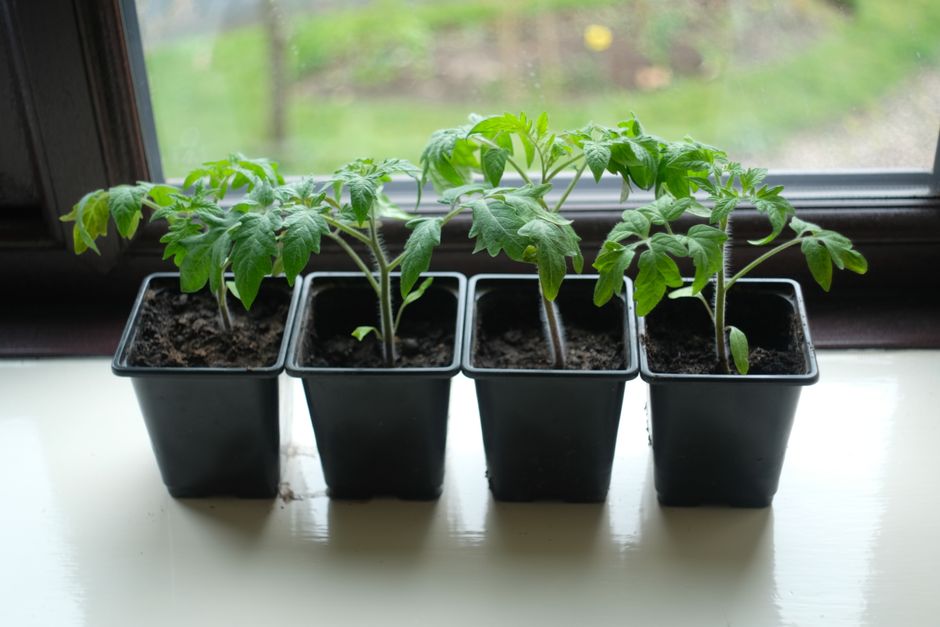
When we talk about a table top vegetable garden, we aren’t suggesting you try to grow a massive pumpkin on your nightstand. Success starts with plant selection. You want “compact,” “determinate,” or “dwarf” varieties.
The “Kitchen Minis” collection is a perfect example of this. These are plants specifically bred to stay small while still producing a multi-week harvest. You can find fruiting pots as small as 4 inches (13 cm) that fit perfectly on a sunny windowsill. In warmer regions with high light levels, these minis can actually produce fruit one to two weeks faster than standard varieties.
For those who want a more “plug-and-play” experience, the uharvest Indoor Tabletop Garden allows you to grow up to 12 plants simultaneously, ranging from Swiss chard and arugula to strawberries and even watermelon (yes, really!).
Best Tabletop Herbs and Ornamental Vegetables
Don’t overlook the beauty of your food. Many vegetables are highly ornamental and can blend aesthetics with productivity.
- Swiss Chard: Unlike lettuce or spinach, which might “bolt” (go to seed) at the first sniff of summer heat, Swiss chard keeps producing leaves all season long. Plus, the stems come in vibrant rainbows.
- Microgreens: These are the ultimate tabletop crop. They are harvested just days after germination and are packed with nutrients.
- Herbs: Basil, mint, chives, and cilantro are tabletop staples. If you’re transitioning from succulents to edibles, you might find that while succulents are hardy, herbs need a bit more “active” love. Check out our guide on Indoor Succulent Growth Problems and Solutions to see how the needs of decorative plants differ from your new edible ones.
Selecting Compact Varieties for Small Spaces
Size matters here. For a 4-inch pot, we recommend a plant density of about 20 to 22 plants per 10 square feet. If you move up to a 6-inch pot, aim for 16 to 18 plants.
Determinate tomatoes (often called “bush” types) are ideal because they grow to a set height and then stop, meaning you won’t need a massive trellis system in the middle of your living room. Dwarf peppers are another great choice; some varieties, like the Chinese 5 Color Pepper, change through five different colors as they ripen, making them a stunning centerpiece.
Herbs and Greens for Low-Light Nooks
Not every coffee table is bathed in golden hour light. If your space is a bit more “moody,” stick to leafy greens. Arugula, spinach, and various lettuces can thrive with just 3 to 5 hours of sun per day. Culinary herbs like parsley and mint are also more forgiving of lower light levels than fruiting plants like peppers or eggplant. For more on managing light in your home, see our tips on Sunlight Requirements for Indoor Succulents.
Essential Gear: Containers and Lighting Systems
To make your table top vegetable garden work, you need the right hardware. You can’t just throw dirt in a bowl and hope for the best.
Smart Lighting for Your Table Top Vegetable Garden
Unless you have a massive south-facing window, you’ll likely need supplemental light. Modern LED grow lights are game-changers. They are energy-efficient and can be tuned to exactly what your plant needs.
For example, the 1 Tier Tabletop Grow Light Garden is a sleek, modular system that assembles in under five minutes. These smart systems often come with pre-set modes:
- Seeds Mode: Uses about 17W on a 16-hour ON / 8-hour OFF cycle.
- Leafy/Herbs Mode: Uses 18-20W to support lush foliage.
- Fruits Mode: This is the “turbo” setting, often running for 22 hours a day to give tomatoes and peppers the energy they need to produce fruit.
The best lights are “full-spectrum,” mimicking natural sunlight. Blue light supports strong, leafy growth, while red light encourages flowering and bigger harvests. Look for adjustable magnetic lights with a range of motion (like a 20-degree tilt) so you can direct the light exactly where it’s needed as the plant grows.
Ideal Containers for Drainage and Aeration
Drainage is the difference between a thriving garden and a soggy mess. Every container must have drainage holes. If you’re worried about your furniture, use “no-spill” trays or sub-irrigated planters that collect excess water.
While most vegetables technically prefer 12 inches of soil depth, tabletop varieties are bred to handle much less. However, if you’re growing a standard tomato in a container, you’ll eventually need a 5- to 10-gallon pot. For the coffee table, stick to the 4-to-6-inch range.
Material matters, too. Terracotta is breathable but dries out fast. Plastic holds moisture longer but can leach chemicals if it isn’t food-grade. If you’re moving plants around, a 4-inch pot can weigh as little as 10 oz before you water it—light enough for any shelf! When your plant outgrows its home, follow our guide on Repotting Indoor Succulents: Step-by-Step for techniques that translate perfectly to your vegetable starts.
| Feature | Soil-Based Tabletop | Hydroponic Tabletop |
|---|---|---|
| Mess Factor | Moderate (Soil can spill) | Low (Water-based) |
| Growth Speed | Standard | Up to 2x faster |
| Maintenance | Manual watering/feeding | Automated pumps/timers |
| Initial Cost | Low | Moderate to High |
The Secret Sauce: Growing Medium and Maintenance
You might be tempted to scoop some dirt from the backyard. Don’t. Outdoor soil is heavy, doesn’t drain well in pots, and often carries “hitchhikers” (pests and diseases).
For a table top vegetable garden, always use a high-quality potting mix. These mixes often contain coco fiber or peat moss for aeration and perlite for drainage. To keep your plants happy, you need to monitor two technical things:
- pH Level: Aim for 5.3 to 5.8 for most tabletop tomatoes and peppers.
- EC (Electrical Conductivity): This measures the salts in your fertilizer. A level of 1 to 1.5 is the “sweet spot” for Kitchen Minis.
If you’re used to the “set it and forget it” nature of some houseplants, vegetables will be a wake-up call. They are hungry! You’ll want to mix in organic fertilizer or compost and feed them at least a couple of times a month. Not sure how to handle the feeding schedule? Our guide on How to Fertilize Succulents Indoors offers a great primer on nutrient balance.
Watering Strategies for a Table Top Vegetable Garden
Watering is where most beginners fail. The “growing dry” technique is often used by pros to encourage fruit set. This means letting the soil get quite dry—to the point where a 4-inch pot feels very light (around 10 oz)—before giving it a thorough soak.
Bottom watering is another great trick. Place your pots in a tray of water and let the soil wick the moisture up. This prevents “damping off” (a seedling disease) and ensures the roots get a good drink without making a mess on your table. For more common pitfalls, check out Indoor Succulent Watering Mistakes to Avoid.
Temperature and Pest Management
Most tabletop veggies are heat-lovers. They prefer a range of 65 to 80°F (18 to 27°C), with the “perfect” temperature being between 68 and 77°F. If you’re comfortable in a t-shirt, your plants probably are, too.
Indoor gardens aren’t immune to pests. Aphids and fungus gnats love the controlled environment of your home. Good air circulation is your best defense. If you do spot trouble, you’ll need a plan. We’ve developed a Pests vs Indoor Succulents: A Comprehensive Battle Plan that works wonders for vegetable gardens too.
Similarly, keep an eye out for yellowing leaves or mold, and consult our Common Succulent Diseases and Their Cures for organic treatment ideas. For a deep dive into environmental controls, see our Indoor Succulent Humidity and Temperature Guide.
Frequently Asked Questions about Tabletop Gardening
How much light does a tabletop garden actually need?
Fruiting plants (tomatoes, peppers, squash) need 6 to 8 hours of full sun or about 16-22 hours under a grow light. Leafy greens and herbs are less demanding, requiring only 3 to 5 hours of sun or 12-16 hours under LEDs.
Can I grow root vegetables like carrots on a table?
Yes, but you need to choose the right variety. Look for “Paris Market” carrots, which are round and shallow, rather than long and tapered. They don’t need deep soil to thrive.
Do tabletop gardens require special fertilizer?
Not necessarily “special,” but they do need “consistent” fertilizer. Because containers have limited soil, nutrients are washed out every time you water. Using a water-soluble organic fertilizer every two weeks is usually sufficient.
Conclusion
At Opcion Rural, we believe that you don’t need an acre of land to be a gardener. A table top vegetable garden is a perfect example of how art, nature, and creativity can come together in a small-space solution. Whether you’re harvesting a handful of arugula for a sandwich or picking a sun-warmed tomato right next to your TV remote, the joy of a home ecosystem is accessible to everyone.
Growing your own food contributes to a sustainable lifestyle, reduces plastic waste from the grocery store, and provides a mental health boost that’s hard to beat. So, clear off that coffee table and get growing!
