
Turn Any Wall Into a Living Garden (Without a Green Thumb)
A diy living wall indoor project lets you grow plants vertically on a wall — inside your home — using a simple frame, planting pockets or shelves, and the right low-maintenance plants.
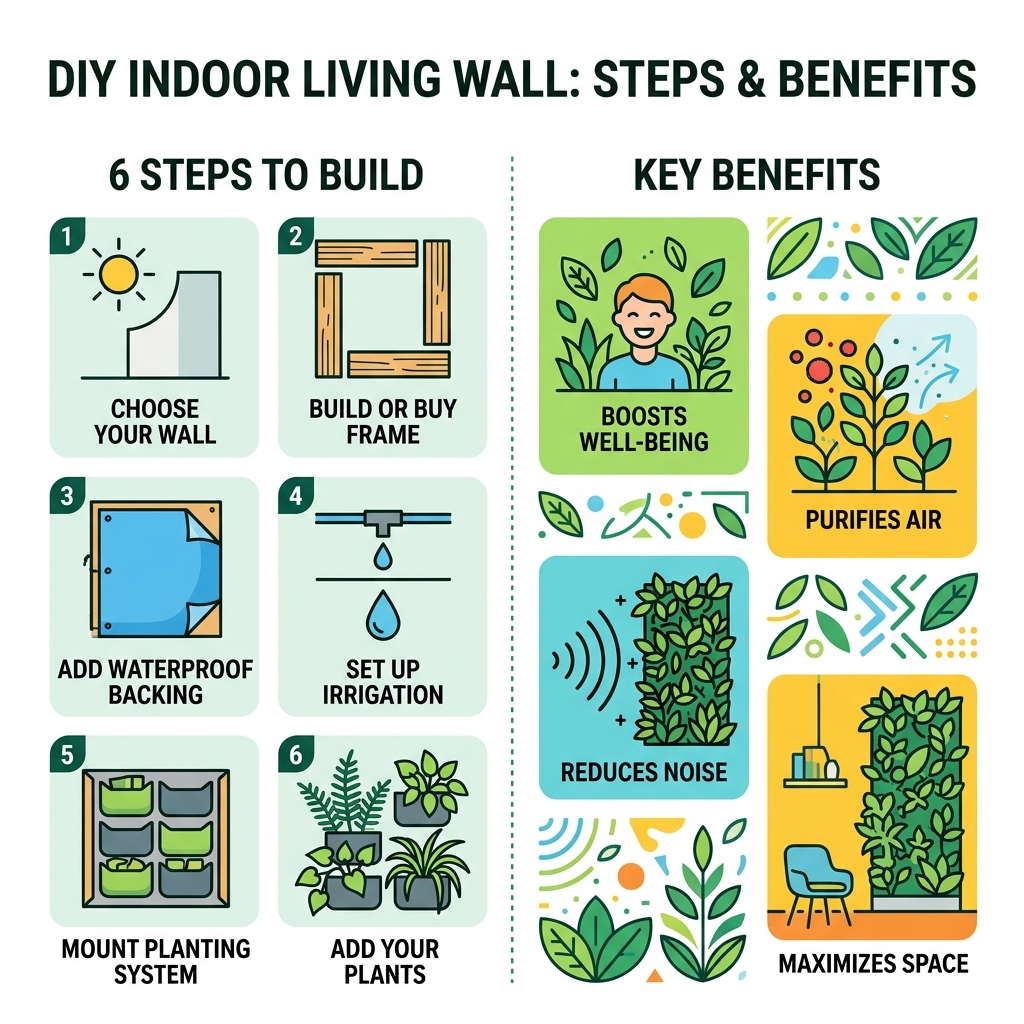
Here’s how to build one in 6 basic steps:
- Choose your wall — pick a spot with natural light or room for a grow light
- Build or buy a frame — wood, modular panels, or a recycled pallet all work
- Add waterproof backing — a pond liner protects your wall from moisture
- Set up irrigation — drip tubing or a simple watering can for smaller walls
- Mount your planting system — felt pockets, shelves, or modular containers
- Add your plants — pothos, ferns, spider plants, and peace lilies are great starters
Cost ranges from $100 for a basic setup to $1,000+ for a fully automated system. Most DIY builds take one to three days.
There’s something almost magnetic about a wall covered in living plants. One glance at a lush vertical garden — whether in a hotel lobby or someone’s living room on Instagram — and the idea takes hold fast. It’s no surprise that #verticalgarden has over 208,000 posts on Instagram alone.
But a living wall isn’t just eye candy. It’s a practical solution for anyone who loves plants but is short on floor space. It brings nature into your home, softens hard surfaces, and can even help clean the air.
The best part? You don’t need professional skills or a big budget to build one. Whether you have a spare afternoon or a full weekend, there’s a version of this project that fits your space, your skill level, and your lifestyle.
Introduction
When we talk about a diy living wall indoor project, we are diving into biophilic design. This is the practice of connecting our modern built environments to the natural world. In urban settings where backyard space is a luxury, vertical gardening is a game-changer. It allows us to utilize unused wall space to create a functional ecosystem right in our living rooms.
Beyond the undeniable “wow” factor, these walls serve as natural air purifiers. NASA research has famously shown that certain indoor plants can absorb volatile organic compounds (VOCs) found in common household items like detergents and paints. Furthermore, plants are incredible acoustic insulators. If you live in a noisy apartment or have a room with echoing hard surfaces, a living wall can help dampen sound and create a more serene atmosphere.
Planning Your DIY Living Wall Indoor Project
Before we pick up a drill, we need a solid plan. A successful diy living wall indoor setup requires more than just hanging a few pots. We need to consider the environment of the room and the structural needs of the installation.
Light and Location
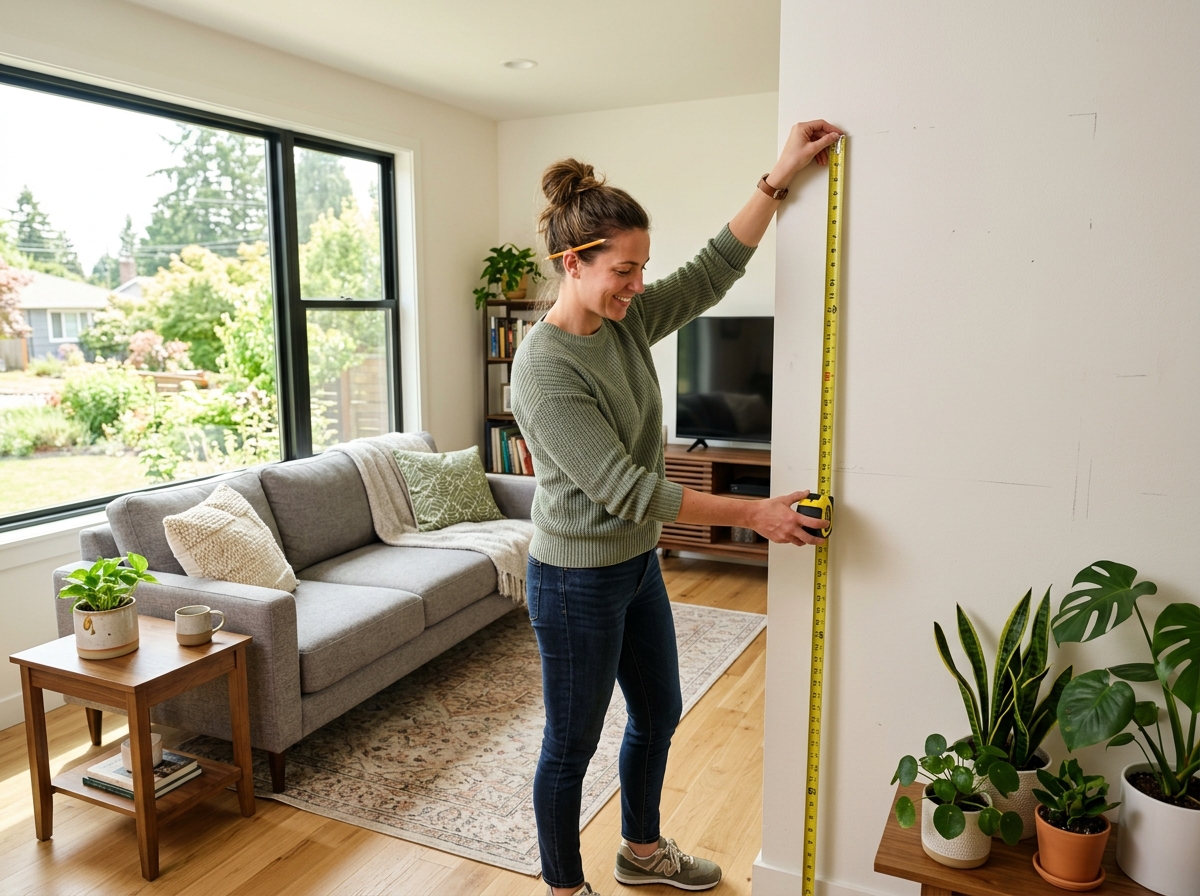
The most critical factor is light. Most living wall plants crave bright, indirect light. A wall opposite a large window is ideal. If your dream spot is in a dark hallway, don’t worry—you can supplement with full-spectrum LED grow lights.
Structural Integrity and Moisture
Water is the lifeblood of your plants, but it’s the enemy of your drywall. We must ensure the wall can support the weight of the structure, soil, and water (which adds significant weight). Additionally, a ventilation gap of about 2-4 cm between the living wall frame and your actual house wall is highly recommended to prevent mold and allow the air to circulate.
Comparing DIY Systems
There are several ways to approach the build. Here is a quick breakdown of the most common systems:
| System Type | Best For | Pros | Cons |
|---|---|---|---|
| Felt Pockets | Beginners / Budget | Lightweight, easy to install | Can dry out quickly |
| Modular Panels | Large Walls | Scalable, professional look | More expensive |
| Wooden Frames | Decor Lovers | Highly customizable, rustic | Requires waterproofing |
| Hydroponic | Tech Enthusiasts | No soil mess, fast growth | Requires pump & nutrients |
Choosing the Best Plants for Your DIY Living Wall Indoor
Not every plant is suited for vertical life. For a diy living wall indoor project, we want plants that are relatively compact, have shallow root systems, and can handle a bit of pruning.
- Pothos (Epipremnum aureum): The king of the living wall. It’s nearly indestructible and drapes beautifully.
- Heartleaf Philodendron: Similar to Pothos but with elegant, heart-shaped leaves.
- Boston Ferns: Great for adding volume and texture, though they require higher humidity.
- Spider Plants: These are excellent for filling gaps and producing “babies” that dangle down.
- Peace Lilies: Perfect for lower-light sections of the wall and adding a touch of white bloom.
Pro Tip: Group your plants by their needs. Put the “thirsty” plants that love moisture at the bottom where water naturally settles, and place succulents or drought-tolerant species at the top.
Step-by-Step Construction of a DIY Living Wall Indoor
If you are building a structural wall from scratch, follow this expert-backed process.
- Frame Assembly: Construct a frame using 1×2 or 2×4 wood slats. Use a miter saw to cut your pieces to size. If you want a sleek look, cut the ends at 45-degree angles.
- Waterproof Backing: This is the most important step. Attach a heavy-duty pond liner or pool liner to the back of your frame. Secure it with a staple gun, ensuring there are no holes below the “waterline.”
- Irrigation Tubing: If you are going automated, run your 1/2-inch tubing along the top of the frame now.
- PET Felt Layers: Use two layers of PET felt (made from recycled plastic bottles). The first layer acts as the “wicking” agent, and the second layer is where you will cut slits to create the planting pockets.
- Planting: Remove your plants from their pots, shake off excess soil to expose the bare roots, and tuck them into the felt slits. Secure them with extra felt strips or staples if they feel heavy.
Essential Materials and Tools for Success
To get the job done right, we recommend gathering your supplies beforehand. A well-prepared workspace makes for a much smoother DIY experience.
- Base Material: Plywood or 1×2 wood slats.
- Protection: Pond liner and waterproof paint for the frame.
- Fasteners: Nail gun, thumb tacks (for lightweight faux setups), and self-tapper screws.
- Measurement: Tape measure and a long level to ensure your wall isn’t crooked.
- Plant Care: Sharp scissors for pruning and a watering can with a long spout.
For more inspiration on how to style these elements, check out our Decor section or browse our other Guides for detailed woodworking tips.
Automated Irrigation and Lighting Systems
If you want a “set it and forget it” garden, automation is the way to go.
- Drip Emitters: These sit at the top of your felt or modular system and slowly drip water down through the layers.
- Water Pumps: You’ll need a pump with enough “lift” to reach the top of your wall. A pump with an 8-foot lift is usually sufficient for standard ceilings.
- Cycle Timers: Set your pump to run for about 10 minutes, four times a day. This keeps the felt moist without drowning the roots.
- Full-Spectrum LED Grow Lights: If your room lacks windows, these are essential. Aim for 12 hours of light per day to mimic a natural day-night cycle.
- Hydroponic Nutrients: Since living walls often use less soil, adding a liquid fertilizer to your water reservoir every month helps keep plants vibrant. Aim for an EC level of 0.8-1.2.
Maintenance and Long-Term Care
A diy living wall indoor is a living, breathing piece of art. It needs a little love to stay looking its best.
Pruning and Cleaning
As plants grow, they will eventually shade out their neighbors. Regular pruning keeps the wall looking tidy and ensures everyone gets enough light. Don’t forget to dust the leaves! Dust blocks sunlight and can harbor pests. A damp cloth or a light misting does wonders.
Fertilization and Water
If you aren’t using an automated system, check the moisture of the soil or felt daily. Use a self-watering system if you travel often. For fertilizer, a diluted liquid houseplant food once a month during the growing season (spring and summer) is perfect.
Pest Management
Keep an eye out for common culprits like fungus gnats or spider mites. If you spot them, don’t panic. An organic insecticidal soap or neem oil spray usually clears things up. Just be sure to spray the plants, not the wall!
Frequently Asked Questions about Indoor Living Walls
How much does a DIY indoor living wall cost?
The cost of a diy living wall indoor project varies wildly based on size and tech.
- Budget ($100 – $300): Uses repurposed materials like pallets, manual watering, and basic felt pockets.
- Mid-Range ($400 – $900): Includes modular wall panels, a basic irrigation timer, and a wider variety of plants.
- Premium ($1,000+): Features fully automated irrigation, integrated grow lights, and often professional-grade framing.
Do indoor living walls attract bugs?
They can, but only if they are poorly maintained. Overwatering is the most common cause of fungus gnats. By ensuring proper drainage and allowing the top layer of the growing medium to dry slightly between watering, you can keep the bugs away. Good air circulation is also key—that’s why we recommend that ventilation gap behind the frame!
Can I build a living wall in a rental property?
Absolutely! If you can’t drill into the walls, consider a freestanding frame or a mobile living wall on wheels. Another great option for renters is a cleat system which uses a few small screws to support a large structure, or even a faux living wall made of boxwood panels that can be hung with simple thumb tacks.
Conclusion
At Opcion Rural, we believe in blending art, nature, and creativity to build accessible home ecosystems. A diy living wall indoor project is more than just a weekend task; it’s a way to transform your living space into a sanctuary. Whether you start with a single living wall kit or build a massive automated masterpiece, the joy of watching your walls come to life is incomparable.
Ready to turn that blank wall into a lush oasis? Start your indoor garden journey today and bring the beauty of the rural outdoors right into your home.
