
Why DIY Garden Wall Planters Are the Smartest Way to Go Vertical
diy garden wall planters are one of the best ways to grow more plants in less space — and you don’t need to be an expert builder to make them.
Here are the most popular types to get you started:
- Wooden slat planters – Built from cedar or pressure-treated wood, mounted with hooks for terracotta pots
- Repurposed drawer planters – Old metal or wood drawers drilled with drainage holes and attached to a fence
- Fabric pocket planters – Soft wall-mounted pouches that each hold around 2 cubic feet of soil
- Pallet planters – Upcycled wooden pallets turned into vertical herb or flower walls
- Cinder block planters – Stacked and painted blocks used to create a sculptural plant wall
- Terracotta pot walls – Pots secured with wrought iron rings along a wood fence or wall
Whether you have a tiny balcony, an ugly concrete wall, or just a bare fence begging for life, there’s a wall planter idea that fits your space, skill level, and style.
Vertical gardening is one of the biggest trends heading into 2026 — and it’s easy to see why. You get greenery, color, and even fresh herbs without giving up a single square foot of floor space.
The projects in this guide range from quick weekend builds to slightly more involved constructions. Most use affordable or even salvaged materials, keeping costs low without sacrificing looks.
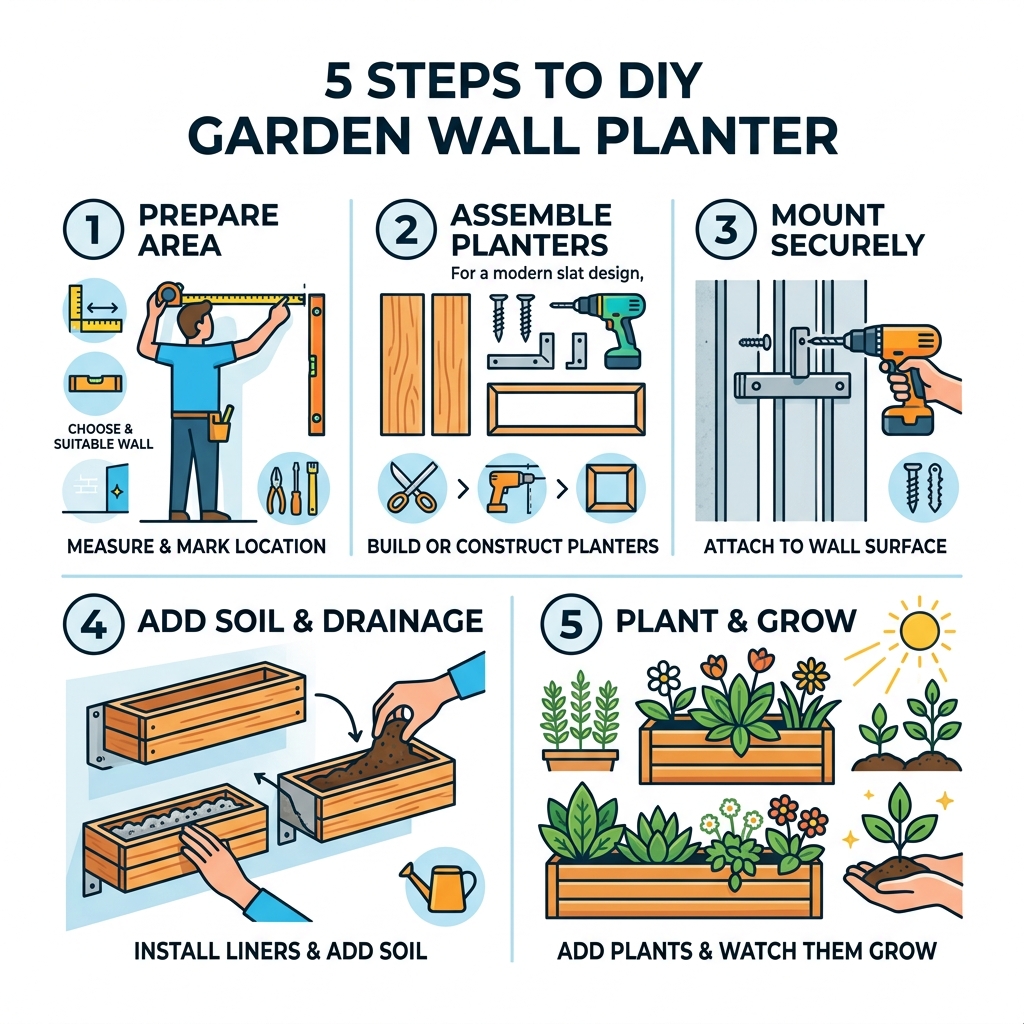
Benefits of Vertical Gardening and DIY Garden Wall Planters
At Opcion Rural, we believe in blending art and nature to create accessible home ecosystems. When you choose to build diy garden wall planters, you aren’t just adding a few pots to a wall; you are transforming your living environment.
One of the primary benefits is space-saving. For those of us with small balconies or narrow side yards, floor space is a premium. By going vertical, you utilize the “dead space” on fences and siding. This approach also significantly improves air quality and can even act as natural insulation for your home, keeping walls cooler in the summer.
Beyond the biology, there is the aesthetic appeal. We often encounter “ugly” views—perhaps a stained cinderblock wall or a neighbor’s plain wooden fence. A vertical garden acts as a living tapestry that masks these eyesores. Furthermore, DIY versions allow for total customization. Unlike store-bought units that come in limited sizes, a DIY build can be scaled to fit your exact dimensions.

DIY vs. Store-Bought: Which is Better?
| Feature | DIY Wall Planters | Store-Bought Planters |
|---|---|---|
| Cost | Low (often using repurposed materials) | High ($50 – $200+ per unit) |
| Customization | Unlimited sizes, colors, and styles | Fixed dimensions and colors |
| Durability | High (if using cedar or treated wood) | Variable (often thin plastic) |
| Pride Factor | “I made this!” | “I bought this.” |
To get the best results, start with high-quality Potting Soil (foundHERE). Vertical planters have less soil volume than ground gardens, so the nutrient density of your soil is critical for plant health.
Essential Materials and Tools for Your Project
Before we dive into the builds, let’s look at what we need in our toolbox. Choosing the right wood is the foundation of a long-lasting garden. We recommend pressure-treated wood or cedar. Cedar is a fantastic choice because it naturally resists decay and insects, which is vital when the wood is constantly exposed to moisture.
The Shopping List
- Wood: 2x4s and 2x6s for frames; 1x4s for slats.
- Containers: Terracotta pots, metal drawers, or even old mailboxes.
- Hardware: Scotch Fasteners Extreme (foundHERE) for removable drawers, or 2 1/2″ outdoor screws for permanent frames.
- Finishing: Spray Paint (foundHERE) for metal parts and exterior stain for wood.
The Tool Kit
- Tape Measure (foundHERE): Accuracy is key, especially for slat spacing.
- Miter Saw: For clean, angled cuts on your planks.
- Impact Driver: To drive screws into tough, treated lumber.
- Drill Bit (foundHERE): You’ll need masonry bits for brick walls and standard bits for drainage holes.
- Torpedo Level (foundHERE): To ensure your planters aren’t leaning (unless that’s the look you’re going for!).
Step-by-Step: Building a Basic Wooden Slat Garden Wall Planter
The wooden slat wall is a classic. It provides a modern, “scandi-chic” look while being incredibly functional. This design uses horizontal slats that allow you to hook pots anywhere along the surface.
1. Visualize and Measure
Before cutting, use blue painter’s tape to map out the dimensions on your wall. This helps you see if the scale feels right for the space.
2. Build the Frame
Construct a rectangular frame using your 2x4s. We suggest using pocket hole joinery—it’s a “hidden weapon” for beginners that makes joints incredibly strong and clean. Secure the frame to your wall using barrel anchors if you are mounting on cinderblock or brick.
3. Attach the Slats
Cut your 1×4 slats to the width of the frame. Use a 1-inch spacer (a scrap piece of wood works perfectly) to ensure even gaps between each slat. This gap is where your pot hooks will sit. Secure each slat with outdoor-rated screws.
4. Prepare the Pots
Drill drainage holes in the bottom of your pots to prevent root rot. If you are using terracotta, a standard masonry bit works well. To add a pop of color, use HERE Spray Paint (foundHERE).
5. Mounting and Drainage
For heavy installations on masonry, drill through the wood into the block and use barrel anchors. If you’re using lighter repurposed items, Scotch Fasteners Extreme (foundHERE) are rated for outdoor use and can hold significant weight while allowing you to remove the planters for winter storage.
Creative Repurposed Ideas for Vertical Greenery
At Opcion Rural, we love the “junk to treasure” philosophy. Sustainability is a core part of our mission, and upcycling old items into diy garden wall planters is the perfect way to keep items out of landfills while adding whimsical character to your yard.
Upcycling Old Drawers into DIY Garden Wall Planters
Old metal workshop drawers are a gold mine for gardeners. They are durable, have a great industrial aesthetic, and are often found for free or cheap.
- Preparation: Start by cleaning your drawers thoroughly. If they have peeling paint, you can either sand it down for a smooth finish or leave it for that “shabby chic” character.
- Drainage: This is the most important step. Use a drill to create 5-6 holes in the bottom. Without these, your plants will literally drown.
- Weatherproofing: Coat the interior and exterior with a rubberized paint or Plastidip. This prevents rust and protects the metal from the constant moisture of the soil.
- Mounting: Apply two strips of Scotch Fasteners Extreme to the back of the drawer. These fasteners are rated for up to 1000 closures, making it easy to pop the drawers off the fence if a storm is coming or for seasonal replanting.
- The Soil Layer: Add a thin layer of gravel at the bottom before adding your potting soil. This further assists with drainage and keeps the soil from clogging the holes.
Turning Pallets and Mailboxes into DIY Garden Wall Planters
Wooden pallets are the “OG” of vertical gardening. You can turn a pallet into a planter by simply stapling landscape fabric to the back and bottom of the slats to create “pockets.”
Alternatively, vintage mailboxes make for stunning, unique wall-hung vessels. They are already designed to be mounted on a vertical surface and often have a lid that can protect delicate plants from heavy downpours.
For these heavier items, ensure your mounting hooks have at least a 50lb capacity. You’d be surprised how heavy wet soil can become! Use HERE Scissors (foundHERE) to trim any excess landscape fabric for a clean, professional look.
Planting and Maintaining Your Vertical Garden
Now for the fun part: the plants! Not every plant is suited for a wall. You want varieties that don’t mind their roots being in a slightly smaller space and those that offer visual interest as they grow.
Plant Selection
- Succulents: These are the kings of the wall planter. They require very little water and have shallow root systems. Varieties like Echeveria or “String of Pearls” look stunning cascading down a wooden slat wall.
- Herbs: A vertical herb garden is both beautiful and practical. Mint, basil, and thyme thrive in these setups. Just remember that herbs typically need more water than succulents.
- Flowers: Wave petunias or pansies provide a burst of color. Use mounding or trailing varieties to cover the edges of your planters.
Maintenance Tips
- Watering: Vertical gardens dry out faster than ground plants because they are exposed to air on more sides. During the summer, you may need to water daily.
- Irrigation: If you have a large wall, consider a drip irrigation system. You can run thin drip lines along the back of the slats, hidden from view, to ensure every pot gets consistent moisture.
- Soil Quality: Refresh your Potting Soil (foundHERE) every spring. Over time, nutrients leach out through the drainage holes.
- Pruning: Regularly trim trailing plants to encourage fuller growth and prevent them from becoming “leggy.”
- Winterizing: If you live in a climate with freezing temperatures, move your planters to a garage or shed. This is where those Scotch Fasteners Extreme really shine—you can just pull the planters off the wall without tools.
Frequently Asked Questions about DIY Garden Wall Planters
How do you ensure proper drainage in wall-mounted planters?
Drainage is the difference between a thriving garden and a moldy mess. Always drill 5-6 holes in the bottom of any solid container (drawers, mailboxes, pots). Adding a one-inch layer of gravel or perlite at the bottom before the soil prevents the drainage holes from becoming blocked by compacted dirt.
What are the best plants for a vertical wall garden?
For beginners, succulents are the best choice because they are forgiving. If you want an edible garden, herbs like rosemary and oregano are hardy. For shade-heavy walls, ferns and ivy are excellent choices as they naturally love to climb and drape.
How do you securely mount heavy planters on a cinderblock wall?
Don’t rely on standard nails or screws. You must use a masonry bit to drill into the block and insert barrel anchors or toggle bolts. These expand inside the hollow part of the block, providing a secure “grip” that can hold the weight of heavy wood and wet soil. If you’re a renter, consider a freestanding wooden frame that leans against the wall instead.
Conclusion
Building your own diy garden wall planters is a rewarding way to bring life to forgotten corners of your home. Whether you are upcycling a dumpster-find drawer or building a sleek cedar slat wall, the result is a unique piece of living art that reflects your style.
At Opcion Rural, we are dedicated to helping you create these home ecosystems. By blending art, nature, and a bit of DIY grit, you can turn any wall into a lush, productive garden. Ready to start your next project? More info about rural living services can be found on our site, where we share more guides on everything from succulent care to large-scale rural homesteading. Stop pinning and start doing—your vertical garden is waiting!
