
Turn Any Wall Into a Garden for Under $35
A diy pallet wall planter lets you grow herbs, flowers, or lettuce vertically — using a recycled wooden pallet, a staple gun, landscape fabric, and a bag of potting soil.
Here’s the quick version of how to build one:
- Source a safe, heat-treated (HT-stamped) pallet
- Sand rough edges and seal the wood
- Staple landscape fabric to the back and sides
- Fill with potting soil while the pallet lies flat
- Plant from the bottom up
- Let plants root for 1-2 weeks, then mount or stand upright
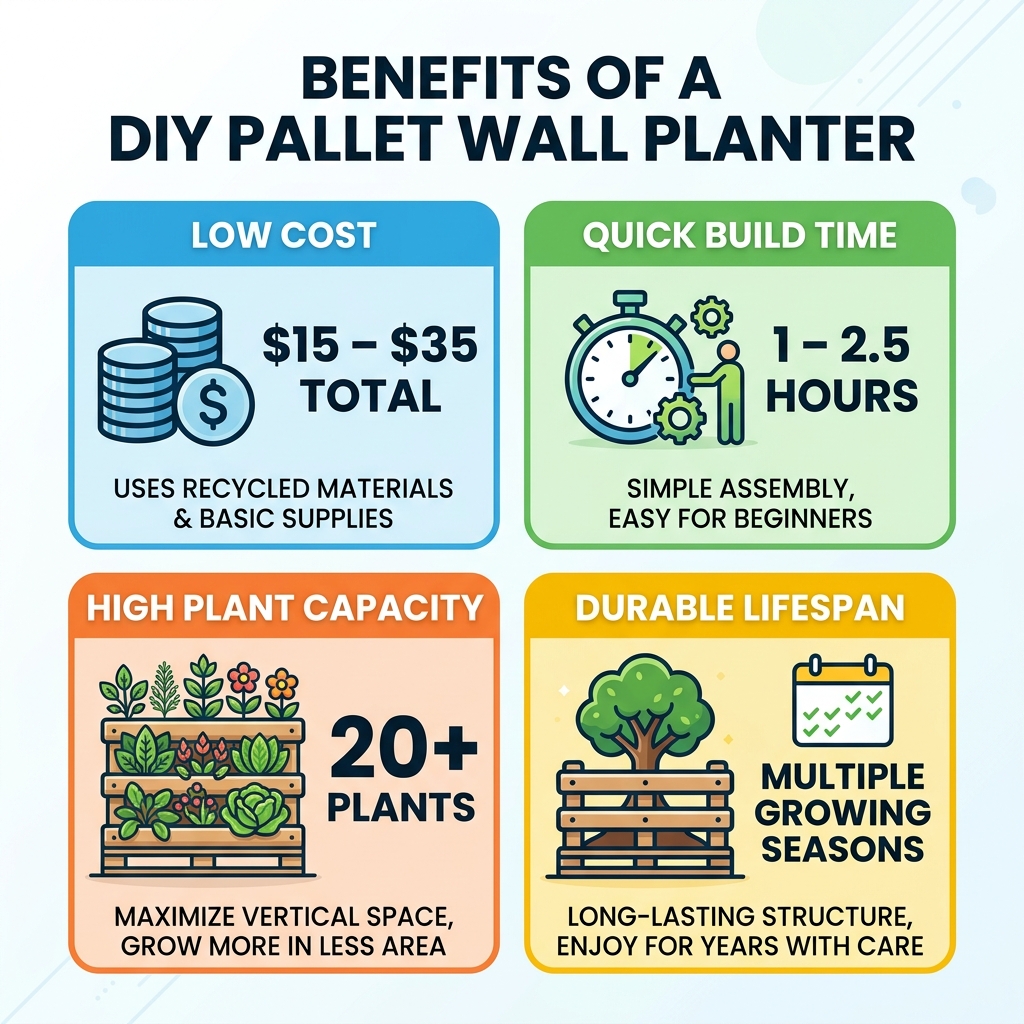
Total cost: $15–$35. Total time: 1–2.5 hours. Skill level: Beginner.
Whether you have a small balcony, a bare fence, or a blank garage wall, a vertical pallet planter turns wasted space into a living wall of greenery. It’s one of the most practical small-space gardening projects you can do — and one of the cheapest.
The whole build costs less than a single trip to a garden center. And once it’s up, a single pallet can hold 20+ plants in the space of a picture frame.
This guide walks you through every step — from finding a safe pallet to choosing the right plants and keeping them alive.
Sourcing and Preparing Your DIY Pallet Wall Planter
The foundation of every successful diy pallet wall planter is the wood itself. While it might be tempting to grab the first pallet you see behind a grocery store, not all pallets are created equal. Since we are often growing edibles like lettuce and herbs, we must ensure the wood hasn’t been treated with nasty chemicals that could leach into our soil.
Identifying Safe Wood for Your DIY Pallet Wall Planter
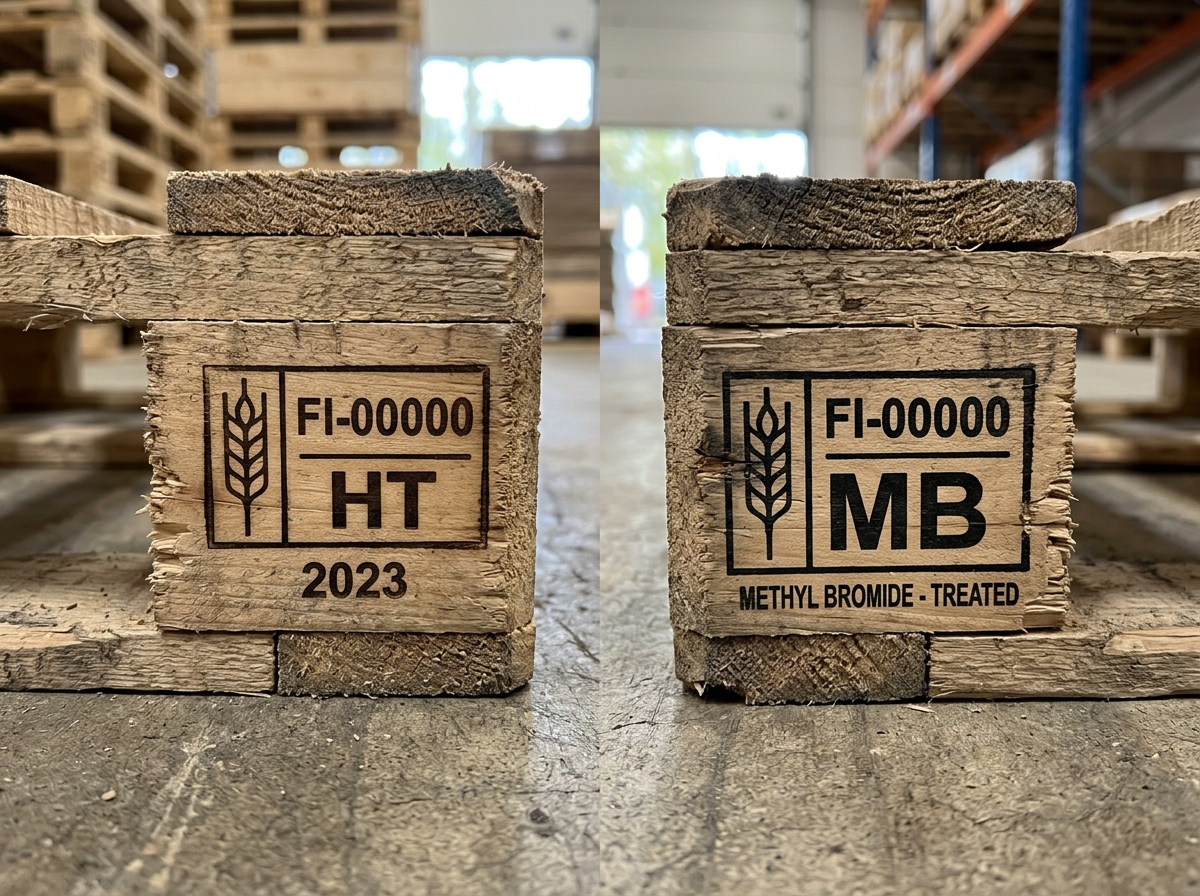
To keep your garden organic and safe, you need to look for specific markings. Most modern pallets are required to have an IPPC (International Plant Protection Convention) logo stamped onto the side. Within that stamp, look for these codes:
- HT (Heat-Treated): This is the gold standard. These pallets were heated to a high core temperature to kill off pests. They are chemical-free and perfectly safe for gardening.
- DB (Debarked): This simply means the bark was removed before the pallet was made. It doesn’t affect safety, but it’s often paired with the HT stamp.
- MB (Methyl Bromide): AVOID THESE. This indicates the wood was fumigated with a toxic pesticide. Never use MB-stamped pallets for planting, especially if you plan to eat what you grow.
When sourcing, we recommend checking with local hardware stores, garden centers, or small businesses. Large corporations often have “pallet return” programs, but smaller shops are usually happy to let you take them for free to save them a trip to the landfill. Always ask permission first! For more detailed information on different pallet types and shapes, you can check out this Wooden Pallet Safety Guide.
Preparing the Surface for Longevity
Once you’ve found a clean, HT-stamped pallet, it’s time for some manual labor. Pallets are notoriously rough and prone to splinters. We suggest using an electric sander to smooth down the front slats and edges. This isn’t just for aesthetics; it makes the pallet much easier to handle during the planting phase.
After sanding, thoroughly brush away the sawdust. To make your planter last—typically between 3 to 6 years—you should apply a protective finish. If you want to keep the rustic, aged look of the wood, a combination of furniture wax followed by a coat of clear yacht varnish works wonders. This creates a waterproof barrier that prevents the wood from rotting when it comes into contact with moist soil.
Essential Materials and Tools for Construction
Before we start hammering, let’s gather our supplies. A full-sized vertical garden requires about 160 liters of potting soil, so make sure you have enough on hand.
| Material | Why You Need It | Expert Tip |
|---|---|---|
| Landscape Fabric | Holds the soil in while letting water drain. | Use a double or triple layer for extra strength. |
| Burlap/Hessian | A rustic alternative to landscape fabric. | Great look, but decomposes faster than synthetic fabric. |
| Staple Gun | Secures the fabric to the wood. | Use heavy-duty staples (at least 10mm). |
| Potting Soil | The lifeblood of your plants. | Choose a light, airy mix to keep the weight down. |
| Plywood Backing | Provides extra support and soil containment. | A thin 1/4 inch sheet is enough to keep soil from spilling out the back. |
You will also need a hammer, nails, a measuring tape, and a level to ensure your diy pallet wall planter doesn’t end up crooked. If you are planning to fill your pallet with succulents, you might want to brush up on more info about succulent care to ensure your soil mix has enough drainage.
Step-by-Step Guide to Building a Vertical Garden
Now for the fun part: assembly. The goal is to create a giant “pocket” that holds soil against the slats.
1. The Lining Process
Lay your pallet face down. Cut your landscape fabric so that it is wide enough to cover the back and wrap around the sides, with about 4 inches of overhang. We recommend using a single long piece of fabric that wraps from the top, under the bottom, and back up the other side. This creates a secure “U” shape that prevents soil from leaking out the bottom.
Staple the fabric every 2-3 inches along the spine and the side “stringers” (the thick inner boards). Keep the fabric as taut as possible; any slack will cause the soil to bulge and eventually tear the fabric. For added security, we often screw a thin sheet of plywood over the fabric on the back.
2. Structural Support
If your pallet has large gaps between the back slats, you can repurpose wood from a second pallet to fill them in. This adds structural integrity and gives you more surface area to staple your fabric.
Planting and Securing Your DIY Pallet Wall Planter
Once the back is sealed, flip the pallet over so it’s lying flat on the ground. This is the secret to a successful vertical garden: never plant it while it’s standing up.
The Horizontal Phase
Pour your potting soil through the slats, pressing it down firmly into the pockets created by the fabric. You want the soil to be tightly packed to minimize settling later. Start planting from the bottom slats and work your way up. This ensures that the bottom plants aren’t buried by falling soil as you work on the top rows.
Make small 2-3 inch slits in the fabric for the root balls. Once planted, leave the pallet lying flat for 48 hours to 2 weeks. This “root settling” phase allows the plants to establish themselves in the soil before gravity starts pulling on them.
Wall Mounting
A full pallet garden is heavy—often weighing over 100 pounds when wet. If you are mounting it to a wall, use heavy-duty masonry anchors or a “French cleat” system. If you prefer a freestanding look, you can lean it against a fence at a slight angle (about 5-10 degrees). This angle helps keep the soil in place and allows water to distribute more evenly.
Filling and Soil Management
Soil management is the biggest challenge with vertical planters. Because they are exposed to air on multiple sides, they dry out faster than traditional pots.
- Soil Compression: Over time, the soil will settle toward the bottom. At the start of every season, top off the soil from the upper slats.
- Air Pockets: When you first fill the pallet, water the soil thoroughly while it’s still flat to collapse any hidden air pockets.
- Drainage: Ensure the landscape fabric is porous. If you used plastic sheeting by mistake, you’ll need to poke drainage holes to prevent root rot.
Best Plants and Maintenance for Longevity
What should you grow? The possibilities are endless, but some plants thrive better in the shallow, vertical environment of a pallet.
The Best Candidates
- “Cut and Come Again” Lettuce: One pallet can hold up to 20 lettuce plants. Varieties like Oak leaf, Mesclun, and Romaine are perfect because you can harvest a few leaves at a time and they keep growing.
- Herbs: Basil, parsley, and cilantro love the top row where they get the most sun. Thyme and oregano are great because they trail down beautifully.
- Succulents: For a low-maintenance option, succulents are king. They require very little water and look like living art. If you’re new to this, we have a great guide on creating a mini desert that fits perfectly in a pallet setup.
- Flowers: Petunias and Calibrachoa provide a “waterfall” of color that can hide the wooden slats entirely.
Maintenance Tips
Watering a diy pallet wall planter requires a specific technique. Always water from the top. The water will naturally seep down through the internal soil columns to the bottom rows. Because the top rows dry out fastest, they may need a quick splash every day in the summer.
We also recommend using a liquid fertilizer every few weeks. Since the volume of soil is limited, the plants will quickly use up the available nutrients. A balanced, water-soluble fertilizer keeps the foliage vibrant and the harvests plentiful.
Frequently Asked Questions about Pallet Planters
How do I prevent soil from falling out of the slats?
The key is the combination of landscape fabric and the “rooting period.” By using a double layer of fabric and keeping it taut, you create a sturdy pocket. More importantly, letting the plants grow horizontally for at least a week allows the root systems to knit the soil together, acting like a natural net.
What are the best plants for a vertical pallet?
Leafy greens (lettuce, spinach, kale), herbs (basil, mint, chives), and trailing flowers (lobelia, petunias) are the best. Strawberries also do exceptionally well because the fruit stays off the ground, preventing rot and pest damage.
How often should I water a wall-mounted planter?
In peak summer, you should check the moisture levels daily. Because vertical gardens have a high surface-area-to-volume ratio, evaporation happens quickly. If you find daily watering tedious, you can tuck a soaker hose inside the pallet before you add the soil for a DIY irrigation system.
Conclusion
Building a diy pallet wall planter is more than just a weekend project; it’s a way to bring sustainable, accessible gardening to any home. Whether you’re harvesting fresh basil for your pasta or just enjoying the view of a flower-covered wall, there’s a unique satisfaction in knowing you built it yourself from recycled materials.
At Opcion Rural, we believe in blending art and nature to create home ecosystems that anyone can manage. We hope this guide has inspired you to grab a hammer and start your own vertical gardening journey. For more creative ideas and tutorials, explore more DIY projects at Opcion Rural. Happy building!
