
Why Creating a Plant Wall Is the Smartest Thing You Can Do With a Bare Wall
Creating a plant wall transforms any empty vertical surface into a living, breathing feature — and you don’t need a big yard or a big budget to do it.
Here’s a quick overview of how to get started:
- Choose your location — Pick a wall with good light (natural or artificial) and easy access to water.
- Pick your system — Felt pockets, modular units, or a DIY wooden frame are the most common options.
- Select your plants — Pothos, ferns, philodendron, and air plants work well for most indoor walls.
- Build and waterproof — Use plywood backing, plastic sheeting, and landscape fabric to protect your wall.
- Add irrigation — A simple drip system or manual misting keeps plants healthy with minimal effort.
- Maintain regularly — Prune, fertilize every few months, and check for pests.
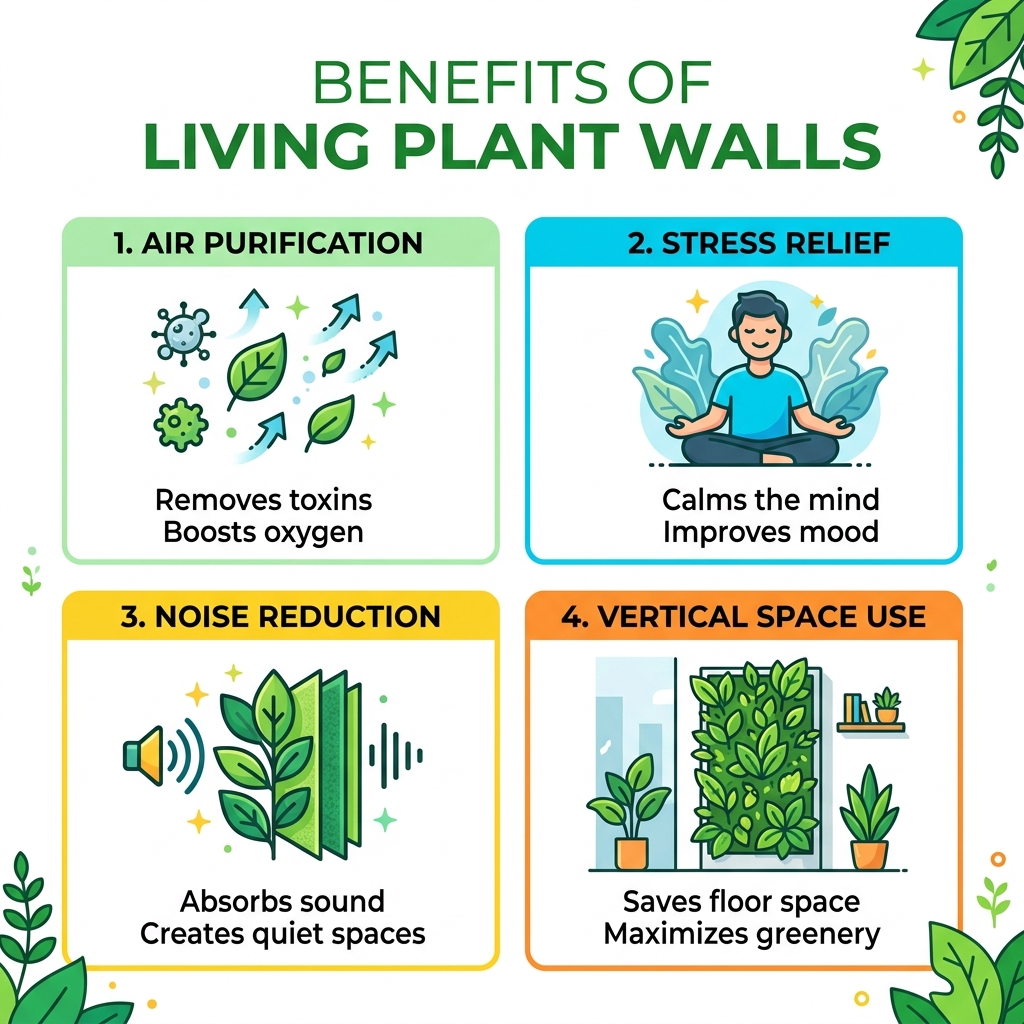
Plant walls aren’t just beautiful — they’re functional. Research shows that indoor living walls can help purify the air, reduce stress, and even muffle noise in busy rooms.
The best part? A small wall can be built in a single afternoon. Larger builds typically take one to three days, and costs range from as little as $100 for a basic pocket setup to around $1,200 for a full modular wooden frame system.
Whether you have a sunny kitchen corner or a dim hallway, there’s a plant wall design that fits your space, your skill level, and your schedule.
Planning and Choosing the Best Location for Creating a Plant Wall
Before we start hammering nails into the studs, we need to talk strategy. Creating a plant wall is as much about logistics as it is about aesthetics. You aren’t just hanging a picture; you are installing a living ecosystem that requires light, water, and structural support.
Sun Exposure and Light
First, look at the light. Most indoor plants suitable for vertical walls crave bright, indirect sunlight. If you choose a south-facing wall, you’ll have a buffet of plant options. However, if your heart is set on a dim hallway, don’t despair—you’ll just need to stick to low-light champions or invest in some stylish grow lights. Understanding sunlight requirements for indoor succulents is a great place to start if you plan on using fleshy, sun-loving varieties.
Weight Capacity and Wall Protection
Soil and water are heavy. A fully saturated living wall can weigh hundreds of pounds. If you are building indoors, you must ensure you are anchoring your system into wall studs, not just the drywall. Furthermore, moisture is the enemy of your home’s structure. We always recommend a “breathing” gap or a serious waterproof barrier between the plants and your actual wall to prevent rot and mold.
Indoor vs. Outdoor Considerations
Outdoor walls face different challenges, such as wind and intense evaporation. For an outdoor setup, you’ll want to choose a spot protected from harsh afternoon sun to keep your plants from frying. Indoors, you need to manage humidity. While plants naturally increase humidity, you must ensure the room has enough airflow to prevent stagnant air. For more on managing these environmental factors, check out our indoor succulent humidity and temperature guide.
Selecting the Right System for Creating a Plant Wall
There is no “one size fits all” when creating a plant wall. The system you choose depends on your budget and how much of a DIY warrior you feel like being today.
- Modular Units: These are hard plastic or metal trays that lock together. They are great because you can swap individual plants out if one decides to go to the great greenhouse in the sky. They are the “Lego” of the plant world.
- Felt Pockets: These are breathable, lightweight, and incredibly affordable. They are essentially over-the-door shoe organizers but for plants. They allow for great air circulation around the roots but can dry out faster than plastic systems.
- DIY Wooden Frames: For the craftier among us, building a custom frame from cedar or pressure-treated pine offers a high-end, furniture-like look. You can even use a “shadow box” design to create depth.
- Pegboard Displays: A modern, flexible option. By mounting a pegboard, you can use hooks and small pots to rearrange your “wall” whenever the mood strikes.
| Feature | Modular Systems | Felt Pocket Systems |
|---|---|---|
| Ease of Install | Moderate | Very Easy |
| Cost | Higher ($$$) | Lower ($) |
| Water Retention | High | Low (requires more misting) |
| Flexibility | High (swap trays) | Moderate |
| Aesthetic | Modern/Clean | Organic/Soft |
If you’re just starting out, you might want to brush up on indoor succulent care tips for beginners to get a feel for how these vertical residents behave.
Best Low-Maintenance Varieties for Creating a Plant Wall
Not every plant is a gymnast capable of living on a wall. You want “bulletproof” plants that don’t mind their roots being a bit cramped and can handle the vertical life.
- Pothos and Philodendron: These are the kings of the plant wall. They trail beautifully, grow fast, and are very forgiving if you forget to water them for a few days.
- Ferns: If you have a high-humidity spot (like a bathroom), ferns like the Medusa or Bird’s Nest fern add incredible texture.
- Staghorn Ferns: These are unique because they can be mounted directly onto wooden boards, acting like living pieces of taxidermy. They add a 3D effect that is hard to beat.
- Air Plants (Tillandsia): Perfect for offices or low-maintenance spots because they don’t even need soil!
- Succulents: If you have a very bright spot, low-maintenance indoor succulents are excellent. Just be sure to pick top succulent varieties for low light if your wall isn’t getting direct beams.
Essential Materials and Tools for Your DIY Build
Ready to get your hands dirty? To build a sturdy, long-lasting wall, you’ll need a trip to the hardware store.
The Shopping List:
- Backing Material: Plywood (at least 1/2 inch thick) or pressure-treated battens.
- Waterproofing: Pond liner or thick plastic sheeting (3-mil or higher).
- Fabric: High-quality landscape fabric (double layer is best for soil retention).
- Growing Medium: High-quality potting soil mixed with water-storing crystals to reduce watering frequency. For specific needs, see our guide on the best soil for indoor succulents.
- Hardware: Deck screws, staples, and French cleats for mounting the whole assembly to the wall.
- Tools: A drill, a staple gun, a miter saw (if building a frame), and a level.
Step-by-Step Guide to Constructing Your Living Wall
Let’s walk through building a simple framed living wall. This method is sturdy, protects your home, and looks professional.
1. Build the Frame
Construct a rectangular frame using your battens or lumber. If you’re building for a 4×8 space, ensure you have internal supports every 12 to 16 inches. Use deck screws to keep everything tight.
2. Add the Waterproof Layer
Staple your pond liner or plastic sheeting to the inside of the frame and over the plywood backing. This is the most critical step—if water touches your drywall, you’re going to have a bad time. Ensure there are no punctures.
3. Attach the Fabric
Layer your landscape fabric over the plastic. If you are using a “pocket” style, this is where you create horizontal slits. If you are using a “mat” style, you will staple the fabric around the edges, leaving the top open to pour in soil.
4. Soil and Planting
Tilt the frame at an angle and fill with soil. Start at the bottom and work your way up. When planting, ensure you aren’t burying the “crown” of the plant too deep. If you are moving plants from nursery pots, follow our repotting indoor succulents step-by-step guide to ensure the roots transition healthily to their new vertical home.
Installing Irrigation and Moisture Control
Watering a vertical wall with a watering can is a recipe for a soggy floor. You need a system.
- Drip Systems: A small pump in a reservoir at the bottom can push water to a tube at the top. Gravity then pulls the water down through the soil, hydrating every level.
- Soaker Hoses: These can be snaked through the back of the pockets for a slow, even release.
- Manual Misting: For smaller walls or air plant displays, a high-quality spray bottle might be all you need.
To keep your plants on a healthy rhythm, we recommend following a consistent indoor succulent watering schedule adapted for your specific plant varieties.
Long-Term Maintenance and Troubleshooting Common Issues
Creating a plant wall is a marathon, not a sprint. Once it’s up, you have to keep it happy.
Pruning and Fertilizing
Plants on a wall grow fast because they are competing for light. You’ll need to learn how to prune indoor succulents and trailing vines to keep the wall from looking like a jungle. Fertilize every few months with a liquid fertilizer diluted to half-strength.
Pest Control
Vertical gardens can occasionally attract unwanted guests. Fungus gnats are the most common culprit, usually caused by overwatering. A pro tip from the research: sprinkle cinnamon on the soil surface. It acts as a natural fungicide and deters gnats! For more serious invaders, keep neem oil or insecticidal soap on hand. Check out our battle plan for pests vs. indoor succulents for more tips.
Plant Replacement
Don’t be discouraged if a plant dies. It happens! The beauty of modular and pocket systems is that you can simply pop out the struggling plant and slide in a fresh one. Keep an eye out for common succulent diseases so you can catch issues before they spread to the whole wall.
Frequently Asked Questions about Plant Walls
What is the estimated cost and time to build a plant wall?
Building a DIY plant wall usually takes 1 to 3 days. A simple afternoon project might cost $100–$200, while a large, professional-looking wooden modular wall can range from $600 to $1,200. The frame itself usually accounts for about $250 of that budget.
How do you protect interior walls from water damage?
The key is a multi-layered defense. Use a vapor barrier (like pond liner), ensure there is an air gap between the frame and the wall (achieved with standoffs or cleats), and always use a collection tray at the bottom to catch any runoff.
Are there low-maintenance alternatives for beginners?
Absolutely! If you lack a green thumb, consider a preserved moss wall. It looks like a living wall but requires zero water or light. Faux plant walls have also come a long way and can look incredibly realistic. You can also start small with a DIY hanging succulent terrarium to get used to vertical aesthetics.
Conclusion
At Opcion Rural, we believe that bringing nature into your home is one of the most rewarding creative projects you can undertake. Creating a plant wall isn’t just about decor; it’s about building a functional home ecosystem that improves your well-being and breathes life into your living space.
Whether you start with a single staghorn fern or a floor-to-ceiling vertical jungle, the key is to just start. Once you see that first new leaf unfurling on your wall, you’ll be hooked. For more inspiration on building self-contained green spaces, explore our guide to creating a self-sustaining succulent terrarium or visit Opcion Rural for more DIY rural living tips. Happy planting!
