
Why Easy Indoor Succulent Ecosystems Are Perfect for Beginners
Easy indoor succulent ecosystems are one of the simplest ways to bring living art into your home — no green thumb required.
Here’s a quick-start overview to get you growing:
| Step | What to Do |
|---|---|
| Choose your succulents | Pick beginner-friendly types like Aloe Vera, Jade Plant, or Haworthia |
| Pick a container | Use an open bowl or pot with drainage holes |
| Layer your base | Pebbles → activated charcoal → horticultural sand → succulent soil mix |
| Place in light | Bright, indirect light for 4–6 hours daily minimum |
| Water correctly | Only when soil is completely dry (every 2–4 weeks) |
| Maintain | Remove dead leaves, watch for pests, rotate occasionally |
Succulents are plants with thick, fleshy leaves that store water — a clever adaptation that lets them survive long periods without a drink. That same trait is exactly what makes them so forgiving for beginners.
With over 10,000 types of succulents in the world, there’s a shape, color, and size for every corner of your home. Whether you have a sunny south-facing windowsill or a dim desk shelf, there’s a succulent that will thrive there.
The best part? You don’t need a big garden, expensive tools, or hours of free time. A small glass bowl, the right soil, and a handful of plants is genuinely all it takes to build something beautiful — and alive.
In this guide, we’ll walk through everything: which plants to choose, how to layer your container, how to water without killing your plants, and how to keep your ecosystem looking great long-term.
The Foundation of Easy Indoor Succulent Ecosystems
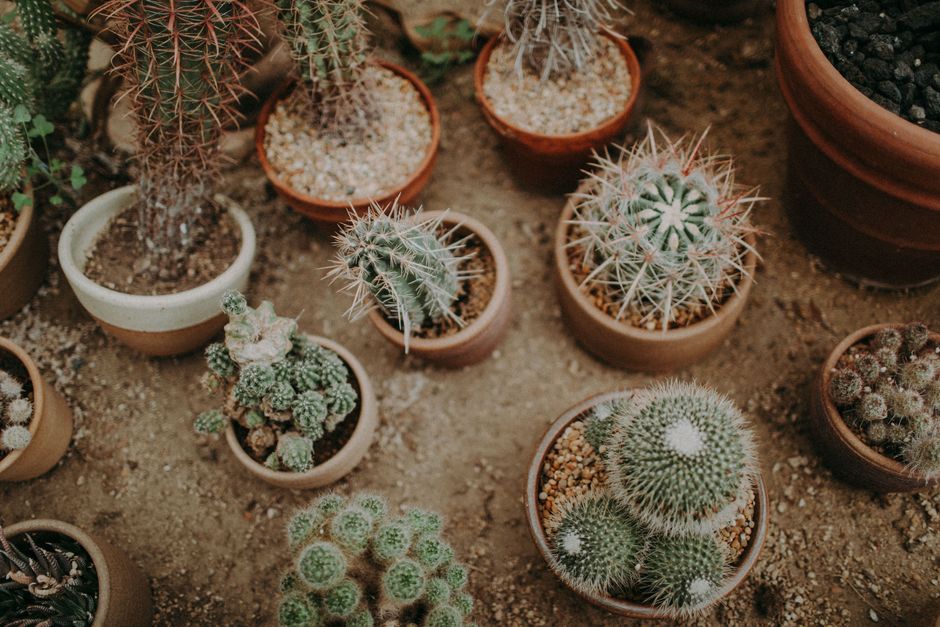
When we talk about an “ecosystem,” we aren’t just talking about a plant sitting in a pot. We are talking about a miniature, living landscape that mimics a specific natural habitat. For succulents, this usually means a rocky desert or a tropical forest floor.
The beauty of easy indoor succulent ecosystems is their resilience. Unlike a delicate fern that might crisp up if you look at it wrong, succulents are built for survival. They are the ultimate hoarders of the plant world, storing every drop of moisture in their leaves, stems, or roots.
To build a successful ecosystem, we first need to understand the two main “families” of succulents you’ll encounter: Desert Succulents and Forest Cacti.
Defining the Indoor Ecosystem
An indoor succulent ecosystem is essentially a “miniature desertscape” captured in a container. By combining plants with similar needs, we create a self-sustaining environment where the soil, drainage layers, and plants work together. In a well-designed setup, the soil provides nutrients, the drainage layer prevents root rot, and the plants regulate their own moisture.
This approach is ideal for beginners because it focuses on “environmental mimicry.” If we give these plants a home that feels like their native arid habitat, they basically take care of themselves. For more on choosing the right varieties, check out our guide on low-maintenance-indoor-succulents.
Distinguishing Desert and Forest Types
One of the biggest mistakes beginners make is treating all succulents the same. Here is the breakdown:
- Desert Succulents: Think Aloe, Echeveria, and Agave. These guys love high heat and bright sunlight. Interestingly, desert succulents are highly tolerant of sudden temperature drops — some can even handle dips down to -5 degrees Celsius! According to botanical research on succulent physiology, they often have spikes or a waxy coating to protect themselves from the sun.
- Forest Cacti: These are “epiphytes” (plants that grow on other plants) or “lithophytes” (plants that grow on rocks). Examples include the Christmas Cactus or the Orchid Cactus (Epiphyllum). Unlike their desert cousins, forest cacti prefer humid, shady environments and need temperatures to stay above 12 degrees Celsius.
| Feature | Desert Succulents | Forest Cacti |
|---|---|---|
| Light | Full sun / Bright direct light | Bright indirect light / Dappled shade |
| Water | Very infrequent (Soak and dry) | More regular moisture |
| Humidity | Prefers dry air | Prefers high humidity |
| Min Temp | Can tolerate drops to -5°C | Prefers above 12°C |
Knowing the difference is key. You wouldn’t want to plant a sun-loving Agave in the same bowl as a shade-loving Christmas Cactus!
Top Low-Maintenance Succulents for Beginners
If you’re just starting your journey into easy indoor succulent ecosystems, you want “forgiving” plants. These are the ones that won’t hold a grudge if you forget to water them for a month.
Selecting Plants for Easy Indoor Succulent Ecosystems
Here are our top picks for a bulletproof indoor garden:
- Aloe Vera: The classic. It’s nearly indestructible as long as it has a sunny spot and well-draining soil.
- Jade Plant: These look like miniature trees. They are slow growers (about 2 inches per year) but can live for decades.
- Snake Plant (Dracaena trifasciata): Also known as “Mother-in-Law’s Tongue,” these are famous for being almost impossible to kill. They can handle low light and infrequent watering.
- Zebra Haworthia: Small, striking, and perfect for desks. They handle lower light better than most desert succulents.
- African Milk Tree: If you want something that grows fast, this is it. They can add 1 to 2 feet of height per year!
- Echeveria: These look like beautiful roses. Fun fact: the powder-like substance on their leaves acts as a natural sunscreen!
For more detailed help on getting started, see our indoor-succulent-care-tips-for-beginners.
Pet-Safe and Non-Toxic Varieties
As much as we love our plants, we love our furry friends more. It’s important to know which succulents are safe for cats and dogs.
- Pet-Safe: Haworthia, Echeveria, Burro’s Tail (Sedum morganianum), and Christmas Cactus are generally non-toxic.
- Use Caution: Aloe Vera and Jade Plants can cause tummy upset or more serious issues if ingested by pets.
- Avoid: The African Milk Tree and many Euphorbias contain a milky sap that is a skin and eye irritant.
Always place toxic plants on high shelves or in hanging planters where curious paws can’t reach them.
Designing Your Indoor Succulent Display
Now for the fun part: the design! Creating a succulent display is like building a tiny world. Whether you choose a DIY Terrarium Kit or source your own materials, the key is in the layering.
Essential Layers for Drainage
Since most succulents die from “wet feet” (root rot), drainage is your number one priority. In a container without a hole, you must create a drainage “reservoir.”
- Pebbles/Lava Rocks: The bottom layer. This creates space for excess water to sit away from the roots.
- Activated Charcoal: A thin layer that acts as a filter, preventing bacteria and keeping the ecosystem “fresh.”
- Horticultural Sand: This acts as a barrier, preventing the soil from sifting down into your drainage rocks.
- Succulent Soil Mix: Use a specific cactus or succulent mix. It’s sandier and airier than regular potting soil.
We love experimenting-with-layers-in-your-diy-succulent-terrarium to see how different colored sands and rocks can add visual flair. For a deep dive into this setup, read our guide-to-creating-a-self-sustaining-succulent-terrarium.
Creative Display Ideas
Don’t feel limited to basic pots! We’ve seen amazing things done with:
- Terrarium Wall Art: You can actually build-terrarium-wall-art-for-a-stunning-indoor-garden that hangs like a picture frame.
- Desktop Rock Gardens: Use a shallow bowl and combine succulents with large “character rocks” to mimic a cliffside.
- Hanging Displays: Trailing plants like String of Pearls or Donkey’s Tail look incredible cascading from a height. String of Pearls actually has tiny “epidermal windows” in each pearl to help it photosynthesize!
Essential Care for Thriving Ecosystems
The secret to easy indoor succulent ecosystems isn’t how much you do — it’s how much you don’t do. Succulents thrive on a bit of “calculated neglect.”
Lighting and Temperature Optimization
Light is the “food” for your succulents. Most need at least 6-8 hours of bright light, but 12 hours is the gold standard for them to truly thrive.
- Natural Light: A south-facing window is usually the best spot. If your plant starts getting “leggy” (stretching out with wide gaps between leaves), it’s crying out for more sun.
- Grow Lights: If you live in a dim apartment, full-spectrum grow lights are a lifesaver. They allow you to put your ecosystem anywhere, even in a windowless hallway.
- Temperature: The ideal range is 60°F-80°F (15°C-27°C). While desert types can handle cold snaps, they generally prefer the same temperatures we do.
Maintenance for Easy Indoor Succulent Ecosystems
Even low-maintenance plants need a little TLC.
- The Soak and Dry Method: This is the golden rule of watering. Wait until the soil is bone-dry (not just the surface, but all the way down). Then, soak the soil until water runs out the drainage holes. Don’t water again until it’s dry! In winter, reduce watering even further.
- Dusting: Succulent leaves can get dusty, which blocks sunlight. Use a soft paintbrush to gently clean them.
- Pest Control: Watch out for mealybugs (they look like tiny bits of white cotton). A Q-tip dipped in rubbing alcohol will take care of them.
- Pruning: If a plant gets too big, don’t be afraid to snip it back. This actually encourages bushier growth.
For a detailed walkthrough, follow our step-by-step-guide-diy-water-wise-succulent-terrarium or learn about creating-a-mini-desert-diy-succulent-terrarium.
Expanding Your Collection Through Propagation
One of the coolest things about succulents is that they are basically “self-replicating.” You can turn one plant into ten with very little effort.
Propagating Popular Varieties
There are three main ways to propagate:
- Leaf Cuttings: Gently twist a leaf off an Echeveria or Sedum. Let the end “callous” (dry out) for a few days, then lay it on top of soil. In a few weeks, a tiny baby plant will sprout!
- Offsets (Pups): Plants like Aloe and “Hen and Chicks” produce small babies at their base. You can simply snip these off and give them their own pot.
- Stem Runners: For trailing plants like String of Pearls, you can snip a runner, remove a few “peas,” and tuck the stem back into the soil.
It’s an addictive hobby! We have a great guide for those just starting: easy-diy-succulent-terrarium-for-beginners.
Frequently Asked Questions about Succulent Ecosystems
Why are my succulent leaves turning yellow and mushy?
This is almost always a sign of overwatering. When the soil stays wet for too long, the roots can’t breathe and begin to rot. The plant tries to store the excess water in its leaves until they literally burst and turn translucent or mushy. If this happens, stop watering immediately and check if your container has proper drainage.
How much sunlight do indoor succulents really need?
Most succulents need 4-6 hours of sunlight daily just to survive, but they need closer to 12 hours to really “thrive” and maintain their vibrant colors. If they don’t get enough light, they undergo “etiolation,” where they stretch out and lose their compact shape.
Can I grow succulents in a closed terrarium?
We generally advise against this. Closed terrariums trap humidity, which is great for ferns but a death sentence for most succulents. Succulents need airflow and dry air to prevent mold and rot. If you want a terrarium, stick to an “open” design. If you’re feeling adventurous, though, you can read our guide on how-to-make-a-closed-diy-succulent-terrarium to see the specific challenges involved.
Conclusion
At Opcion Rural, we believe that anyone can bring a bit of the natural world into their home. Easy indoor succulent ecosystems are the perfect intersection of art and nature. They offer a chance to slow down, get your hands dirty, and create something that grows along with you.
By choosing the right plants, respecting the “soak and dry” method, and ensuring plenty of light, you can maintain a stunning desertscape on your coffee table for years to come. Whether you’re building a massive rock garden or just a tiny desk companion, the principles remain the same: drainage, light, and a little bit of love.
Ready to start your first project? Check out our full tutorial on building-a-small-ecosystem-diy-succulent-terrarium and join our community of home-grown ecosystem enthusiasts! Happy planting!
