
Why a DIY Faux Plant Wall Is the Smartest Green Upgrade You’ll Make
A DIY faux plant wall lets you bring lush, natural-looking greenery into any space — without watering, sunlight, or a green thumb.
Quick answer: How do you build a DIY faux plant wall?
- Measure your wall and calculate how many panels or plants you need
- Choose your base — astroturf, plywood, or pegboard all work well
- Secure a frame using pine boards screwed into wall studs (or Command hooks for renters)
- Attach hex netting or chicken wire over the base layer
- Insert or tie faux plants into the netting using pipe cleaners or zip ties
- Fluff the leaves and fill any gaps for a realistic, seamless finish
Typical project stats:
| Factor | Details |
|---|---|
| Cost | $50–$200 (small) to ~$620 (90 sq ft) |
| Time | 2–4 hours for most projects |
| Difficulty | Beginner-friendly |
| Lifespan | 5–10+ years indoors |
| Maintenance | Dusting every few months |
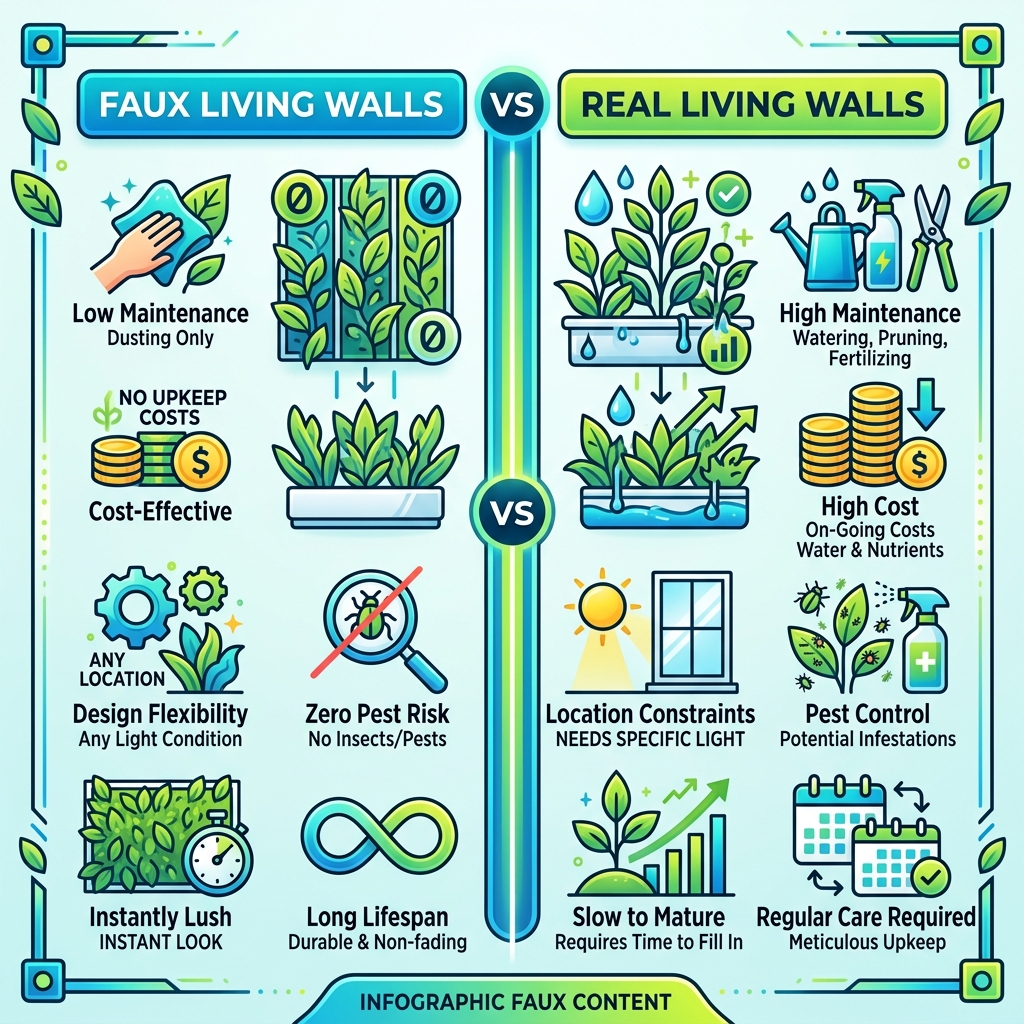
If you’ve ever killed a houseplant — hands raised — you already know the appeal. Real living walls need water, soil, drainage, and the right light. Faux plant walls need none of that. Yet they deliver the same calming, nature-filled look that makes a room feel alive.
Whether you want a dramatic floor-to-ceiling statement wall, a cozy TV surround, or a simple headboard backdrop, this guide walks you through every step.
Planning Your DIY Faux Plant Wall: Materials and Costs
Before we dive into the dirt (figuratively speaking, of course), we need a solid plan. A diy faux plant wall can range from a small framed piece of art to a massive 90-square-foot installation. At Opcion Rural, we love projects that blend nature and creativity, and the planning stage is where that magic begins.
First, calculate your square footage. Simply multiply the height of the area by the width. This number dictates your budget. For a standard small accent wall, you might spend between $50 and $200. However, for a large-scale project—like a 90-square-foot office wall—costs can reach around $620. This includes approximately $800 in plants (pro tip: buy in bulk during sales and keep your receipts for returns!) and about $120 in mounting supplies.
The time commitment is surprisingly low. Most DIYers can complete a standard wall in 2 to 4 hours, though hanging individual stems on a massive scale can take up to 10 hours of “floral arranging” time. The best part? These walls have a lifespan of 5 to 10+ years indoors.
Material Comparison: PE vs. Silk
Choosing the right material is the difference between a high-end botanical look and something that looks like leftover holiday tinsel.
| Feature | PE (Polyethylene) | Silk / Fabric |
|---|---|---|
| Realism | Realistic “waxy” feel; molded 3D shapes | Soft texture; printed details |
| Durability | High; often UV-rated | Moderate; prone to fraying |
| Best For | Outdoor use & high-traffic indoor areas | Low-traffic indoor decorative art |
| Maintenance | Can be wiped or sprayed | Dust magnet; harder to deep clean |
We highly recommend PE Material for its durability and realistic, waxy feel. It mimics the natural sheen of boxwood or ivy perfectly. If you are looking for more ways to enhance your home, check out our Decor section for inspiration.
Choosing Realistic Foliage for Your DIY Faux Plant Wall
To achieve a professional look, focus on texture and color variation. Real plants aren’t one solid shade of green; they have new growth (lighter green) and older leaves (darker green). Look for panels or stems with multi-tonal leaves.
- Matte Finish: Avoid overly shiny plastic. A matte finish looks more organic under indoor lighting.
- Density: Hold the panel up to the light. If you can see right through it, you’ll need a dark backing or more filler plants.
- Variety: Mix boxwood panels with trailing ivy, ferns, and even faux succulents to create depth.

Step-by-Step Guide to Installing Your Greenery
Ready to build? We’ve broken this down into a manageable process that ensures your wall stays put and looks stunning.
1. Measure and Prep
Start by measuring your space and cleaning the wall surface. Use a stud finder to mark where your wall studs are located. This is crucial because a full diy faux plant wall can get heavy once all the foliage is attached.
2. Build the Frame
For a permanent installation, we recommend using 1×2 or 1×3 pine boards. Attach these boards along the top and bottom of your project area, screwing them directly into the wall studs using wall anchors if necessary. This creates a secure “anchor” for your greenery layers.
3. Lay the Base Layer
Don’t just stick plants to a white wall—the gaps will show! Instead, install a base layer of artificial turf or dark green fabric. You can staple or screw the turf directly to your pine board frame. This provides a lush green backdrop that hides the wall behind it.
4. Add the Netting
Over your turf, attach hex netting (chicken wire). This is the “skeleton” of your garden. Use a staple gun to secure the netting to your wood frame. You can even cut the netting into organic “foliage” shapes rather than keeping it a strict rectangle for a more natural flow.
5. Attach the Plants
Now for the fun part! You have two main options:
- Panels: If using 20×20 inch boxwood panels, connect them using their built-in pins and holes, then secure them to the netting or wood frame with zip ties.
- Individual Stems: If you’re going for a wilder look, tuck faux plant stems into the hex netting. Secure heavier pieces with dark green pipe cleaners or floral wire. Pipe cleaners are a secret weapon here—they are easier on the hands than wire and hold stems securely.
Rent-Friendly Installation Options for a DIY Faux Plant Wall
Living in an apartment shouldn’t stop you from having a vertical jungle! You can create a stunning diy faux plant wall without losing your security deposit.
- Command Hooks & Wire Grids: Instead of a wood frame, use heavy-duty Command hooks to hang lightweight wire grids or plastic garden mesh. You can then zip-tie your greenery panels to the grids.
- Pegboards: This is a fantastic “Dollar Tree hack.” Use small square pegboards joined together with adhesive or glue. You can push the stems of faux succulents and boxwood right through the pegboard holes.
- Thumb Tacks: For lightweight 20×20 panels, simple thumb tacks can work. Use clear or white ones to blend in. They leave tiny holes that are easily filled with a dab of spackle later.
- Plywood Backing: Build your entire plant wall on a large sheet of thin plywood or insulation foam board. Lean it against the wall or secure it with just two screws at the top. This makes the entire unit “furniture” rather than a permanent wall fixture.
If you’re looking for more small-scale greenery projects that are perfect for renters, see our guide on Creating Your Own Jungle with a DIY Succulent Terrarium.
Pro Tips for a Realistic and Professional Finish
The difference between a “craft project” and “professional decor” is in the details. Use these tips to elevate your build:
- Fluff the Leaves: When panels come out of the box, they are often flattened. Spend time “moussing” the leaves, pulling them forward to hide the seams between panels.
- Hide the Seams: Use individual “sprigs” or leftover scraps of greenery to cover the spots where panels meet.
- Leaf Direction: Pay attention to which way the leaves are pointing. For the most natural look, ensure they all generally face the same direction or flow downward, as they would in nature.
- Add Depth with Stems: Don’t stop at flat panels. Poke in longer stems of eucalyptus, ferns, or monstera leaves. This creates shadows and 3D texture.
- Sound Dampening: A thick diy faux plant wall actually acts as a great acoustic panel! The density of the PE material and the air trapped in the foliage help quiet loud rooms.
- Dark Backing: If you aren’t using turf, paint your backing board (or the wall itself) a dark forest green. This ensures that any tiny gaps look like natural shadows rather than stark white spots.
Maintenance, Longevity, and Frequently Asked Questions
One of the biggest benefits of a faux wall is the lack of maintenance, but “low maintenance” doesn’t mean “no maintenance.” To keep your wall looking fresh for its 5–10 year lifespan, a little TLC goes a long way.
Cleaning Tools List:
- Feather Duster: Best for regular, weekly dusting.
- Compressed Air: Perfect for blowing dust out of tight crevices in succulents or dense boxwood.
- Damp Cloth: Use this for a deep clean every few months to remove any film or stubborn dust.
- Spray Bottle: A light mist of water (or water mixed with a tiny drop of dish soap) can help refresh the look of PE panels.
For more tips on keeping your faux plants looking their best, check out our article on Stylish and Simple DIY Succulent Terrariums.
Can I install a faux plant wall outdoors?
Yes, but you must choose the right materials! If you’re covering an ugly neighbor’s fence or a patio wall, ensure your panels are UV-rated. Non-UV-rated silk or cheap plastic will fade to a strange blue or yellow tint within months of sun exposure. High-quality outdoor panels are “hard-as-nails” and can withstand rain and wind. For a standard fence section, using about 14 panels can create a lush, year-round privacy screen that requires zero trimming.
How much does a typical DIY project cost?
As mentioned, the budget is flexible.
- Budget Build ($20 – $50): Use Dollar Tree pegboards and a mix of budget greenery for a small accent.
- Mid-Range ($100 – $300): Standard 20×20 PE panels for a TV surround or headboard.
- Large Scale ($600+): Full-wall installations (90+ sq ft) using premium foliage, wood trim, and base layers like turf.
Buying in bulk and utilizing return policies for unused stems is the best way to manage costs.
How do I clean my faux living wall?
Dusting is your primary task. We recommend a quick pass with a feather duster once a month. For indoor walls near kitchens, a damp cloth might be needed to remove grease particles. Outdoor walls are even easier—just give them a gentle spray with a garden hose once or twice a year to wash away pollen and dirt.
Conclusion
Creating a diy faux plant wall is one of the most rewarding home projects you can undertake. It’s a perfect blend of art and nature that transforms a “drab” wall into a “fab” focal point. At Opcion Rural, we believe that everyone should have access to the calming influence of greenery, regardless of their gardening skills.
From selecting the right PE materials to mastering the art of “fluffing,” you now have all the tools to build your own vertical oasis. Whether it’s a small rent-friendly pegboard project or a massive office installation, your new green wall will be a conversation starter for years to come.
Ready for your next project? Explore More info about our creative guides and start building your own home ecosystem today!
