
Why Farmhouse Style Succulent Displays Are the Perfect Low-Maintenance Decor
Farmhouse style succulent displays are one of the easiest ways to bring rustic, natural charm into any room — without a lot of upkeep.
Here’s a quick overview of what makes them work:
| Element | What to Use |
|---|---|
| Containers | Wooden crates, drawers, galvanized troughs, clay pots |
| Succulents | Echeveria, Sempervivum, Jade — or realistic faux versions |
| Accents | Spanish moss, river rock, candles, vintage hardware |
| Finish | Weathered wood, aged stain, neutral tones |
| Placement | Table centerpiece, mantel, entryway, kitchen island |
These displays hit a sweet spot for small-space decorators. They’re compact, long-lasting, and endlessly adaptable. A succulent arrangement can last 10 times longer than cut flowers — and some faux versions need zero maintenance at all.
The farmhouse look itself is built on a few simple ideas: repurposed materials, natural textures, and a muted, earthy color palette. Think weathered wood, chipped paint, and organic greenery. Succulents fit right in.
Whether you’re a seasoned DIYer or just getting started, this guide walks you through the best ideas, containers, and techniques to nail the look.

Introduction: Defining Farmhouse Style Succulent Displays
When we talk about the farmhouse aesthetic, we are leaning into a feeling of “homegrown” and “hand-me-down.” It is a style that celebrates the imperfect. In farmhouse style succulent displays, this means moving away from shiny, plastic pots and toward materials that have a story to tell.
The definition of a farmhouse succulent arrangement lies in the contrast between the resilient, fleshy leaves of the plants and the rugged, weathered textures of their containers. We look for neutral palettes—whites, creams, grays, and natural wood tones—that allow the soft greens and dusty purples of succulents like Echeveria to pop.
Authenticity is key here. We aren’t just looking for something that looks “old”; we are looking for organic greenery paired with elements like rusted metal, reclaimed timber, or even vintage glass. Whether it’s a Modern Farmhouse Succulent Planter or a DIY project using an old tool box, the goal is to create a centerpiece that feels like it has always belonged on your harvest table.
Top Ideas for Farmhouse Style Succulent Displays
Creating a stunning display doesn’t require a degree in horticulture. Sometimes, the most effective designs are the simplest. One of our favorite tricks is the “rule of repetition.” Using a trio or a quintet of identical containers—like small clay pots or mason jars—filled with the same variety of succulent creates a clean, intentional look that screams modern farmhouse.
If you prefer something more substantial, a Large Rustic Wood Succulent Arrangement can act as a primary focal point for a mantel or entryway. These larger pieces often incorporate “top-dressing”—think river rocks or crushed granite—to hide the soil and provide a professional, finished appearance.
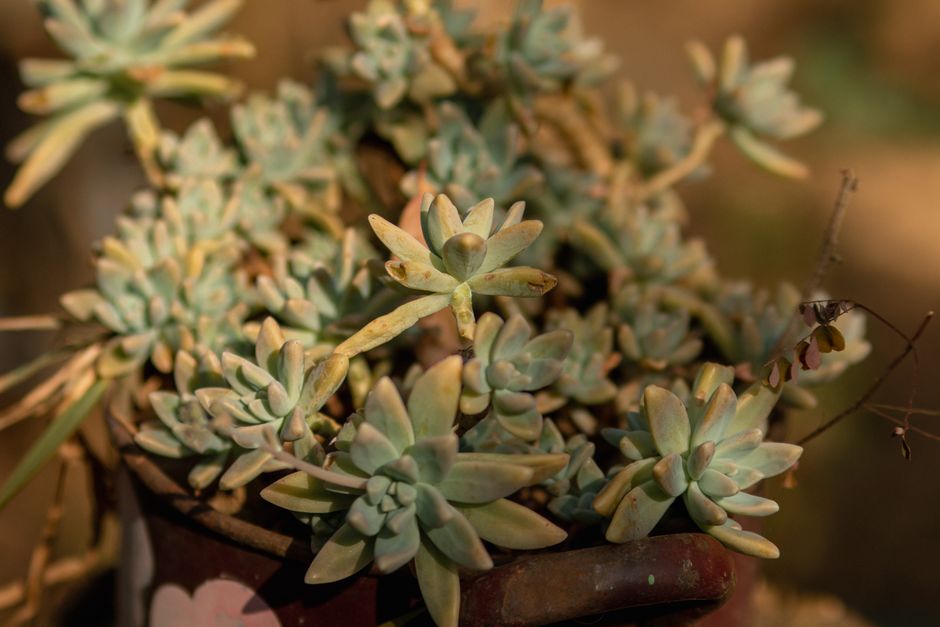
The Classic Wooden Crate Farmhouse Style Succulent Display
There is something incredibly nostalgic about an antique soda crate or a weathered fruit box. These are the “holy grail” of farmhouse style succulent displays. Because these crates often come with built-in dividers, they are perfect for creating a “grid” of different succulent varieties.
If you are feeling adventurous, you can even turn these into a vertical feature. We’ve seen amazing results when people adapt these ideas into an easy DIY hanging succulent terrarium. To keep the vintage branding on the crate visible while protecting the wood, we recommend lining the inside with a heavy-duty plastic drop cloth. Once planted, tuck Spanish moss around the edges to hide the plastic and add that signature wispy, farmhouse texture.
Repurposed Drawer Farmhouse Style Succulent Displays
Don’t throw away that old nightstand just yet! Repurposing drawers is a fantastic way to achieve a layered, tiered look. An old dresser drawer, complete with its original antique hardware, provides a deep basin for larger succulent varieties or even trailing species that can spill over the sides.
For those of us who might have a “black thumb” (don’t worry, we’ve all been there!), drawers are also excellent for faux succulent arrangements. You can fill the bottom with floral foam, cover it with moss, and “plant” high-quality plastic succulents that look indistinguishable from the real thing. This is a great stepping stone before you move on to creating a plant wall that will be the envy of your neighborhood.
Galvanized Troughs and Chicken Feeders
If your style leans more toward “Industrial Farmhouse,” galvanized metal is your best friend. Long, narrow chicken feeders or vintage hog troughs make for incredible dining table centerpieces because they are low-profile—meaning you can actually see your guests across the table!
Metal containers provide a cool, gray backdrop that makes the vibrant greens of succulents look even lusher. If you’re using these for live plants, drainage is vital. You may need to drill a few holes in the bottom or use a thick layer of charcoal and pebbles to prevent root rot. These metal textures also work beautifully when integrated into artistic terrarium garden walls, adding a touch of silver to your greenery.
DIY Guide: Building a Rustic Crate Planter
Ready to get your hands dirty? Building your own Farmhouse Style Long Wood Planter is a rewarding weekend project.
Materials You’ll Need:
- Poplar craft boards (standard 3ft lengths work well)
- Wood glue and a brad nailer (or small finishing nails)
- Minwax Gel Stain (Aged Oak is a farmhouse favorite)
- Plastic liners or small plastic pots
- A succulent soil mix and your favorite plants
Step-by-Step Assembly:
- Cut Your Boards: Measure the space where your planter will live. For a standard table, a 25-inch length is usually perfect. Cut your base, two long sides, and two end caps.
- The “Modern” Twist: If you want a cleaner look, use a jigsaw to cut circular holes in a top board. This allows you to drop individual plastic pots directly into the crate, making it easy to swap plants out later. This technique is similar to how you might build terrarium wall art for a structured indoor garden.
- Assemble: Apply wood glue to the edges, join the boards, and secure them with nails. Use clamps to keep everything square while the glue dries.
- The Finish: Apply a gel stain with a lint-free cloth. Gel stains are great because they don’t run or drip, giving you a very even, rustic finish. Once dry, seal it with a bit of finishing wax.
- Planting: Line the box with plastic to protect the wood. Arrange your succulents—placing trailing varieties on the edges and taller ones in the center—and fill the gaps with Spanish moss.
Care and Maintenance for Long-Lasting Displays
The biggest mistake people make with farmhouse style succulent displays is “killing them with kindness” (aka overwatering). Succulents are desert plants; they thrive on neglect!
| Feature | Live Succulents | Faux Succulents |
|---|---|---|
| Light | 4-6 hours of bright, indirect sun | Any light level |
| Watering | Every 3-4 weeks (when bone dry) | Never |
| Cleaning | Gentle dusting or air blower | Damp cloth |
| Longevity | Years (with proper care) | Indefinite |
For live displays, lighting is everything. Succulents love morning sun but can get “sunburned” in harsh, direct afternoon heat. If your plants start to stretch out and look “leggy,” they are telling you they need more light.
When it comes to watering, use a directional bottle to apply water directly to the soil or moss, avoiding the center of the succulent rosettes. If water pools in the leaves, it can cause rot. If you’ve used moss in your display, you can follow the step-by-step guide to creating a moss wall art installation for tips on keeping moss looking fresh without over-saturating the plants.
Frequently Asked Questions about Farmhouse Succulent Decor
What are the best succulents for a farmhouse look?
To achieve that muted, sophisticated farmhouse vibe, look for succulents with a “powdery” finish (called farina). Echeveria “Lola” or “Pearly von Nuremberg” offer beautiful soft pinks and grays. Sempervivum (Hen and Chicks) are classic and incredibly hardy, making them perfect for outdoor troughs. If you want height, Jade plants or Crassula provide a sturdy, tree-like structure that balances out the smaller rosettes.
How do I prevent my wooden farmhouse planter from rotting?
Wood and water aren’t usually friends. The best way to protect your antique crates or handmade boxes is to use a thick plastic liner. We often use heavy-duty gardener’s plastic or even a repurposed thick trash bag, stapled neatly inside the rim. Adding a layer of horticultural charcoal at the bottom can also help “sweeten” the soil and absorb excess moisture. For more creative ways to use moss as a protective barrier, check out our guide on DIY moss wall art.
Where can I source authentic vintage containers?
The hunt is half the fun! We recommend hitting up local flea markets, estate sales, and small-town antique shops. Look for items that were originally functional—old toolboxes, milk crates, or even silver-plated bowls that have lost their shine. Sometimes the best treasures are hiding in your own family’s attic or basement. A piece with personal history always makes for a better conversation starter.
Conclusion
At Opcion Rural, we believe that bringing nature into your home should be an act of creativity, not a chore. Farmhouse style succulent displays perfectly bridge the gap between high-style interior design and low-maintenance living. By repurposing the old and celebrating the new growth of a succulent, you create a living piece of art that grounds your home in rustic beauty.
If you’re ready to dive deeper into creative greenery, why not try another easy-fun-project-diy-hanging-succulent-terrarium-2? There are endless ways to mix textures, plants, and vintage finds to suit your unique space.
Explore more farmhouse decor ideas and Start your next project at Opcion Rural today! Whether it’s a tiny shelf accent or a massive dining room centerpiece, your farmhouse oasis is just one planter away.
