
Why a DIY Succulent Vertical Garden Transforms Any Space
A diy succulent vertical garden is one of the most rewarding ways to bring living art into a small space — and it’s far simpler to build than it looks.
Quick answer: How to make a DIY succulent vertical garden:
- Build or buy a shallow frame (at least 2–3 inches deep) with a solid backing
- Attach wire mesh to the front with a staple gun
- Fill with well-draining medium — cactus soil, sphagnum moss, or a mix of both
- Insert succulent cuttings through the mesh using a pencil or chopstick
- Let roots establish for 4–12 weeks while the frame lies flat
- Hang it up using hardware rated for at least 50 lbs
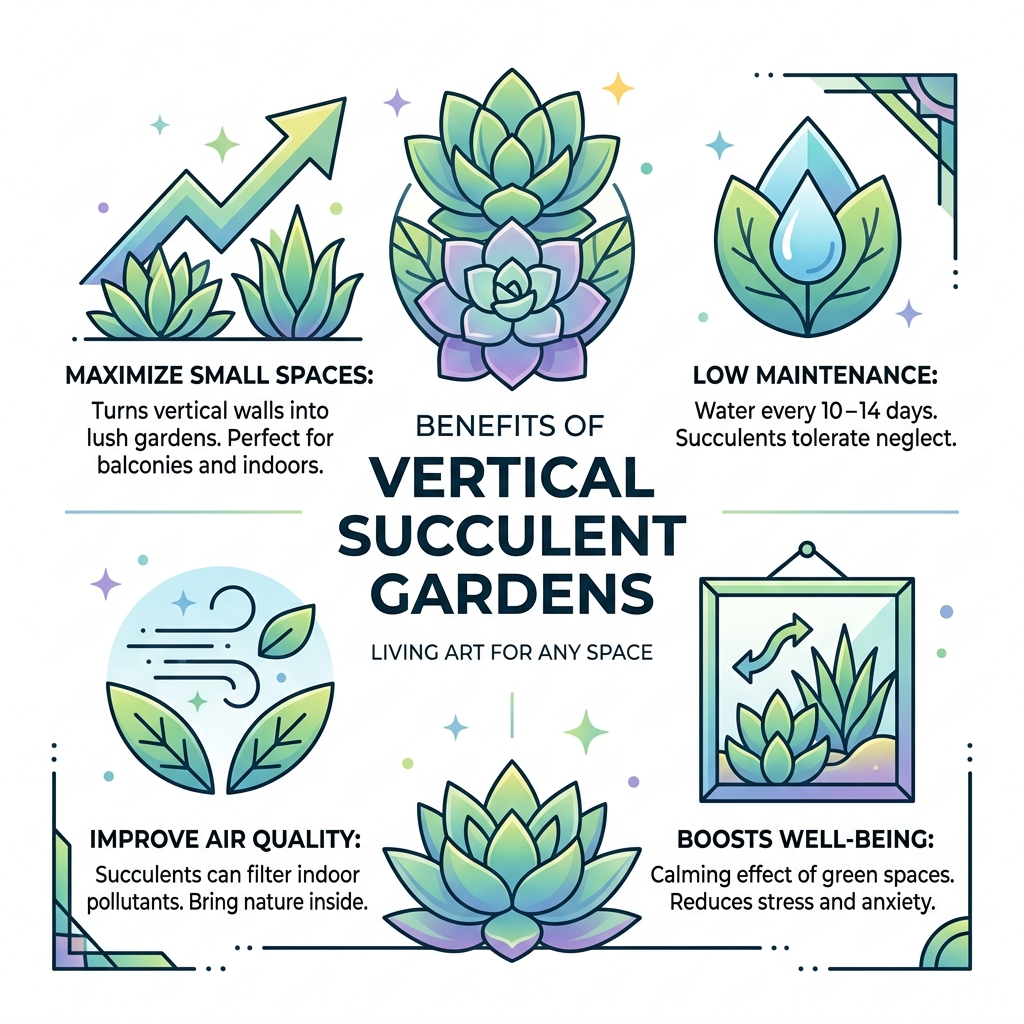
Succulents are the perfect plant for this kind of project. They store water in their leaves, tolerate neglect, and only need watering every 10–14 days once established. They thrive with just 4–6 hours of bright, indirect light per day — indoors or out.
The result? A lush, low-maintenance focal point that looks like it belongs in a boutique hotel — but costs as little as $75 to make yourself.
Whether you want to fill a blank outdoor wall, dress up a small balcony, or create a stunning indoor display, this project fits. It’s creative, calming, and genuinely beginner-friendly.
Essential Materials for Your DIY Succulent Vertical Garden
Before we roll up our sleeves and get our hands in the dirt, we need to gather our supplies. Building a diy succulent vertical garden is a bit like baking; if you have all your ingredients ready on the counter, the process is smooth and enjoyable. If you’re hunting for a screwdriver halfway through, things get messy!

The Structural Foundation
The heart of this project is the frame. You can go two ways here: upcycle an old, sturdy picture frame or build a custom shadow box. If you choose a picture frame, look for something deep. A standard thin frame won’t hold enough soil for the roots to thrive. We recommend a depth of at least 2 to 4.5 inches.
- Shadow Box or Picture Frame: Common sizes like 8×10, 11×14, or 16×20 work best for beginners.
- Backing Material: Plywood or cedar slats are excellent for the back of the box because they handle moisture well.
- Wire Mesh (Chicken Wire): You’ll want 1/2-inch or 1/4-inch hardware cloth. This holds the soil and plants in place while allowing the stems to poke through.
The Assembly Toolkit
We’ll need some basic tools to put the “DIY” in this project. Don’t worry if you aren’t a master carpenter; these are very approachable:
- Measuring Tape: To ensure your shadow box matches your frame dimensions perfectly.
- Staple Gun and Staples: To secure the mesh and landscape fabric. We recommend a heavy-duty Staple gun and staples to ensure the mesh doesn’t pull away under the weight of wet soil.
- Adhesives: A strong wood glue is vital. We often use Gorilla glue to reinforce joints before nailing them.
- Hammer and Nails or a Nail Gun: To attach the shadow box to the frame.
The Growing Environment
Succulents are desert plants, meaning they hate “wet feet.” The medium you choose is the difference between a thriving garden and a moldy mess.
- Organic Succulent and Cactus Soil: This is non-negotiable. Regular potting soil holds too much water. Using a dedicated Organic Succulent and Cactus Soil ensures proper drainage.
- Sphagnum Moss: This is the “secret sauce.” It helps retain just enough moisture and provides a textured surface for roots to grab onto.
- Landscape Fabric or Greenhouse Shading: This acts as a secondary barrier to keep soil from falling out of the mesh holes.
Budget Tips and Cost Breakdown
How much does a diy succulent vertical garden actually cost? It depends on your “thrifting” skills!
- Budget Option ($75–$165): Use a thrift store frame, scrap wood for the shadow box, and take cuttings from your own plants or friends’ gardens.
- Mid-Range ($150–$310): Buy new lumber, a high-quality frame, and a variety of 2-inch nursery succulents.
- Premium ($300–$750+): Large-scale installations or pre-made kits that include everything from the irrigation system to the plants.
Pro-tip: California is a leading producer of succulents, with over 225 cut flower and greens farms. If you live near a nursery that sources from California, you’ll likely find the healthiest varieties for your project!
Step-by-Step Guide to Building a DIY Succulent Vertical Garden
Now for the fun part! Let’s build this living masterpiece. We like to say it’s not a true DIY project until you’ve got a little dirt under your fingernails (and maybe a tiny scratch from the chicken wire—wear gloves, friends!).
Step 1: Construct the Shadow Box
If you’re using a picture frame, you need to build a wooden box that attaches to the back to hold the soil.
- Measure the inner dimensions of your frame.
- Cut four pieces of 1×4 or 2×2 lumber to create a box that fits those dimensions.
- Glue and nail the corners together.
- Attach this box to the back of your frame. We recommend using wood glue and reinforced nails to make sure it can handle the weight.
Step 2: Add Drainage and Backing
Drainage is the most common pitfall for beginners.
- Drill several small holes in the bottom piece of your wooden box.
- If you want to get fancy, leave small 1/8-inch gaps between your backing slats to allow for air circulation. This prevents the wood from rotting and the soil from souring.
Step 3: Attach the Mesh and Fabric
- Cut your wire mesh to fit the inside of the frame.
- Staple it securely to the front of the shadow box (behind the decorative frame).
- Layer landscape fabric behind the mesh if you’re worried about soil migration.
Step 4: Filling the Medium
- Lay the frame flat.
- Pour in your succulent soil mix through the mesh.
- Work the soil into the corners using your fingers or a small stick.
- Top it off with a layer of damp sphagnum moss. This moss helps “lock” the plants in place.
Step 5: Planting Your Succulents
This is where your inner artist comes out.
- Prepare your cuttings: If you’re using cuttings, let them “callus” (dry out) in a cool area for 3–7 days before planting. This prevents rot.
- Root Pruning: If you’re using potted plants, gently shake off the excess soil and trim the roots slightly so they fit through the mesh.
- The “Chopstick Technique”: Use a pencil or chopstick to poke a hole through the mesh and moss into the soil. Insert the succulent stem firmly.
- Density is Key: Plant them close together. For an 11×14 frame, you’ll need about 35–40 succulents to make it look full from day one.
If you love the idea of contained ecosystems, you might also find More info about succulent terrariums helpful for your indoor decor.
Choosing the Best Plants for a DIY Succulent Vertical Garden
Not all succulents are created equal when it comes to living vertically. We want plants that are “low profile” and have shallow root systems.
- Echeveria: These are the stars of the show. Their rosette shapes look like flowers and they come in stunning teals, pinks, and purples.
- Sempervivum (Hens and Chicks): These are incredibly hardy and drought-tolerant. They have very shallow roots, making them perfect for the limited depth of a frame.
- Sedum (Stonecrop): Use these around the edges. Many varieties, like “Burro’s Tail,” will trail downward, creating a beautiful “cascading” effect.
- Graptopetalum: Known for their beautiful pastel colors and “ghostly” appearance, they add great texture.
When selecting plants, think about visual texture. Mix smooth, waxy leaves with fuzzy varieties like the “Chocolate Soldier” (Kalanchoe Tomentosa) for a professional look.
Maintenance and Care for Long-Term Success
Once your diy succulent vertical garden is assembled, the work isn’t over—but it is easy! The biggest mistake people make is hanging the garden too soon.
The Rooting Period
Your garden needs to stay flat for 4 to 12 weeks. Yes, we know it’s tempting to hang it immediately to show it off, but gravity is a cruel mistress. The roots need time to knit into the soil and mesh. If you hang it too early, your beautiful plants will simply fall out. Test it by gently tugging on a plant; if it resists, it’s ready.
Watering and Light Requirements
Succulents are sun-worshippers, but they can get “sunburned” if moved from a dark shop to direct afternoon sun too quickly.
| Feature | Indoor Care | Outdoor Care |
|---|---|---|
| Light | South-facing window or LED grow lights | Morning sun or filtered afternoon shade |
| Watering | Every 14 days (or when moss feels dry) | Every 7–10 days (more often in heat) |
| Airflow | Use a fan if the room is humid | Natural breeze is usually sufficient |
| Maintenance | Dust leaves occasionally | Check for pests like aphids |
How to Water: Do not water your garden while it’s hanging on the wall! Take it down, lay it flat, and give it a thorough soak. Let it drain completely for an hour before re-hanging. This prevents water from pooling at the bottom and causing root rot.
Pruning and Replacing
Succulents grow! Over time, some might get “leggy” (stretched out) if they aren’t getting enough light. Simply snip off the long stems, let them callus, and plug them back into any gaps. If a plant dies, don’t panic. Just pull it out and replace it with a fresh cutting.
How to Secure and Hang Your DIY Succulent Vertical Garden
A filled 11×14 succulent wall can weigh 50 pounds or more when the soil is wet. You cannot hang this with a simple nail and a prayer.
- D-Ring Hangers: Use heavy-duty D-rings rated for at least 100 pounds.
- Find the Stud: Always screw your hanging hardware into a wall stud. If a stud isn’t available, use high-quality toggle bolts.
- Safety First: Because of the weight, we recommend having a partner help you lift and secure the garden.
Creative Design Ideas and Troubleshooting Common Mistakes
The beauty of a diy succulent vertical garden is that it’s a canvas for your creativity.
Design Inspiration
- The Ombré Effect: Arrange your plants by color, transitioning from deep greens at the bottom to pale pinks and whites at the top.
- Geometric Patterns: Use different species to create “stripes” or a chevron pattern. To do a chevron, cut your wood slats at 45-degree angles for a sophisticated, modern look.
- Thrift Store Gallery: Create a “gallery wall” of three or four smaller frames of different shapes and sizes.
- Seasonal Themes: You can tuck in small ornaments or air plants to change the look for the holidays.
Troubleshooting Common Mistakes
- Overwatering: If the leaves turn yellow and mushy, you’re watering too much. Let the soil dry out completely.
- Insufficient Light: If the plants are stretching toward the light and losing their compact shape, they need a brighter spot.
- Crowding: While we want it to look full, don’t crush the plants. They need a little “breathing room” for air to circulate between the leaves.
- Gravity Issues: If plants are sagging, you might need to add more sphagnum moss to “pack” them in tighter.
For more inspiration on unique plant displays, check out our guide on More creative project ideas.
Frequently Asked Questions about Succulent Walls
How often should I water a vertical succulent garden?
Once established, most vertical gardens need water every 10–14 days. However, this depends on your climate. In a dry, hot summer, you might need to water every 7 days. Always check the soil or moss with your finger; if it feels bone-dry, it’s time for a soak.
How long should the planter lay flat before hanging?
We recommend at least 4 to 12 weeks. This is the most critical step for success. The “tug test” is your best friend here. If the plants feel firmly anchored in the mesh, they can handle being upright.
Can beginners build a succulent wall on a budget?
Absolutely! By using a thrifted frame and taking cuttings from existing plants, you can easily build a small version for under $75. It’s a fantastic weekend project that doesn’t require expensive power tools if you use a pre-made shadow box.
Conclusion
At Opcion Rural, we believe that everyone should have access to the calming beauty of nature, regardless of how much floor space they have. A diy succulent vertical garden is more than just decor; it’s a living, breathing ecosystem that brings a sense of rural tranquility into the modern home.
By blending art with the resilience of nature, you create a botanical sanctuary that evolves over time. Whether you’re building a chevron-patterned masterpiece or a simple upcycled frame, the process of creating “living art” is a journey in patience and creativity.
Ready to dig in? Explore more of our nature-inspired guides and Start your next project at Opcion Rural. Happy planting!
