
Turn One Plant into Many: The Beginner’s Guide to Easy Rural Plant Propagation
Easy rural plant propagation is the process of creating new plants from cuttings taken off plants you already own — no seeds, no nursery runs, no cost.
Here’s a quick overview of how it works:
- Cut a healthy stem (about 6 inches) from a parent plant
- Strip the lower leaves and dip the cut end in rooting hormone
- Plant the cutting in a moist, well-draining rooting mix
- Cover with a plastic bag or mini-greenhouse to hold humidity
- Wait 3–6 weeks for roots to form
- Pot up or transplant once roots reach ½ to 1 inch long
Imagine walking your land and multiplying every lavender bush, forsythia shrub, or rosemary plant you own — for free. That’s exactly what stem cutting propagation makes possible.
It’s one of the oldest tricks in the gardener’s handbook, and it’s surprisingly simple. You’re not cloning plants in a lab. You’re just nudging a cut stem to grow roots — something plants are naturally built to do.
The best part? You don’t need fancy equipment. A plastic bag, a used container, and some basic potting material are all it takes to get started.
Whether you’re expanding a homestead, filling a bare hedgerow, or just want more of a plant you love, this guide walks you through every step.

Mastering Easy Rural Plant Propagation: Why and When to Start
At Opcion Rural, we believe that the most beautiful gardens shouldn’t have to cost a fortune. When we talk about Easy rural plant propagation, we are specifically referring to “asexual propagation.” Unlike growing from seeds (sexual propagation), which can result in offspring that look different from the parents, cuttings create genetic duplicates—true clones. This means if you have a hydrangea with the perfect shade of blue or a rosemary bush that survives the toughest winters, your new plants will have those exact same traits.
For the rural homesteader, this is a game-changer. It allows for rapid homestead expansion, creating windbreaks, privacy hedges, or massive pollinator gardens for the price of a little bit of time and a sharp pair of pruners. It also ensures plant vigor; you are taking material from a plant already proven to thrive in your specific soil and climate.
The Best Times for Easy Rural Plant Propagation
Timing is everything in cuttings. If you try to take a cutting when the plant is putting all its energy into spring flowers, it might fail. If you wait until the wood is too old and brittle, it might never root. We like to follow the “Six Week Rule”: wait about six weeks after the first leaves appear in spring before taking your first softwood cuttings. This ensures the new growth has moved past the “limp” stage and has enough rigidity to survive.
| Cutting Type | Time of Year | Characteristics | Best For |
|---|---|---|---|
| Softwood | Late Spring / Early Summer | Fresh, flexible new growth; snaps when bent. | Spirea, Forsythia, Hydrangea |
| Semi-Hardwood | Mid to Late Summer | Partially matured wood; firmer than softwood. | Lavender, Rosemary, Sage |
| Hardwood | Late Fall / Winter | Dormant, woody stems; no leaves (for deciduous). | Willow, Dogwood, Elderberry |
For those looking into more technical restoration projects, understanding how specific species react to timing is vital. For instance, the Rhus glabra Propagation Protocol highlights how smooth sumac can be a pioneering species on disturbed rural sites, often requiring specific seed treatments, though many rural shrubs are far easier to start from simple dormant hardwood sticks stuck directly into the ground.
Top Plants for Rural Cuttings
If you are new to this, start with the “easy wins.” These plants are famous for their high success rates:
- Lavender & Rosemary: These Mediterranean favorites thrive from semi-hardwood cuttings taken in August. Lavender can show root growth in as little as 6 weeks.
- Hydrangea: These are incredibly rewarding. Use non-flowering stems from the current year’s growth, often found near the base of the plant.
- Forsythia & Spirea: Known as the “harbingers of spring,” these root very easily from softwood cuttings.
- Sage: Sage has a near 100% success rate when taken in August and planted directly into soil.
- Elderberry & Willow: These are the kings of hardwood propagation. You can often just stick a dormant branch into moist soil in late winter, and it will grow.
For those interested in native groundcovers or wetland restoration, you might explore sedges. Technical guides like the Cherokee sedge (Carex cherokeensis) Plant Propagation notes show that while some species are best started from seed with cold stratification, many rural grasses and sedges can also be expanded through simple division.
Essential Supplies and Step-by-Step Setup
One of the myths we love to bust at Opcion Rural is that you need a greenhouse to propagate plants. In a rural setting, you likely have everything you need in your recycling bin or tool shed.
The Basic Kit:
- Sharp Pruners or a Knife: Cleanliness is key. Always sterilize your tools with rubbing alcohol to prevent spreading fungi.
- Rooting Medium: You want something “soilless” that holds moisture but allows air to reach the roots. A 50/50 mix of coarse sand and perlite is a classic choice. Peat moss mixed with perlite also works beautifully.
- Rooting Hormone: While not strictly necessary for all plants, using auxins (synthetic plant hormones) significantly increases your success rate. These usually come in powder form at any garden center.
- Containers: Old nursery pots, yogurt cups, or even milk jugs work well—just make sure they have drainage holes.
If you enjoy indoor projects, you can even apply these principles to your houseplant collection; check out our guide on how-to-propagate-succulents-indoors for more creative ideas.
Preparing Your DIY Propagation Environment
Cuttings don’t have roots, so they can’t drink water from the soil. Instead, they lose moisture through their leaves. To keep them alive, we must create a high-humidity environment.
- The Milk Jug Greenhouse: Cut a clear plastic milk jug in half, poke holes in the bottom, fill with medium, plant your cuttings, and tape the top back on (leave the cap off for ventilation).
- The Bag Method: Place your pot inside a large resealable plastic bag. Blow a little air into it to create a “bubble” and seal it. This creates a self-watering tropical environment.
- Location: Place your setup in a warm spot with bright, indirect light. Never put new cuttings in direct summer sun, or you will literally cook them inside their plastic domes.
Selecting and Preparing Healthy Cuttings
When you’re ready to take your cuttings, choose a healthy “mother” plant. Ensure she is well-hydrated (turgid); it’s best to take cuttings early in the morning after a rain or a good watering.
Step-by-Step Preparation:
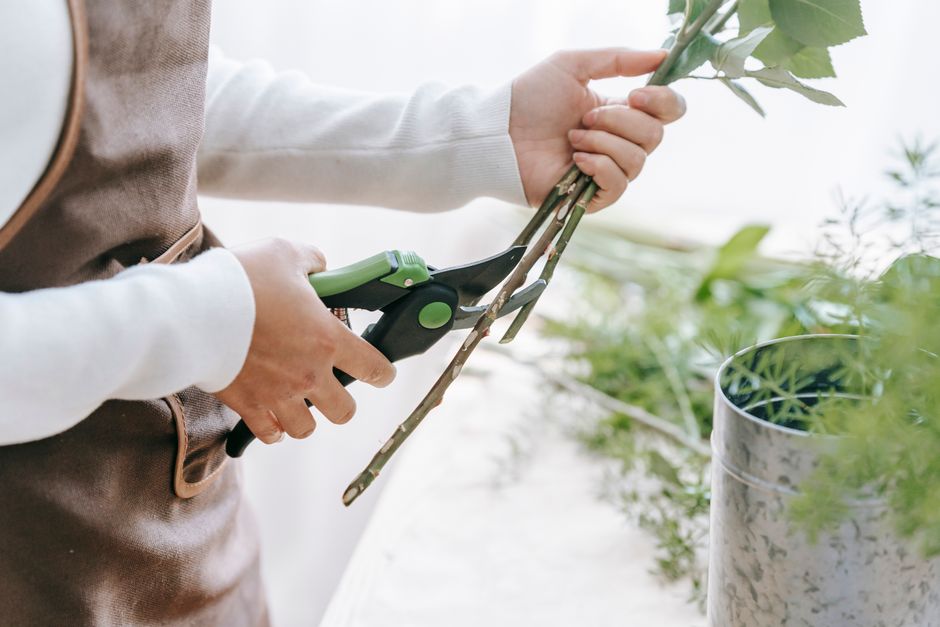
- Cut: Take a 6-inch stem. Make your bottom cut at a 45-degree angle just below a “node” (the bump where a leaf grows). Roots are most likely to form here because that’s where natural hormones are concentrated.
- Strip: Remove the leaves from the bottom half of the cutting. You don’t want leaves touching the soil, as they will rot.
- Pinch: If there are any flower buds, pinch them off! You want the plant’s energy going into roots, not trying to make a flower.
- Wound: For woody stems (like rosemary or star jasmine), lightly scratch off a thin sliver of the outer bark at the base to expose the green “cambium” layer. This encourages faster rooting.
- Dip: Dip the bottom inch in water, then into your rooting hormone powder.
Caring for Your New Plants and Hardening Off
Once your cuttings are tucked into their new home, the game is all about patience and moisture balance. Check the medium weekly. It should feel like a wrung-out sponge—moist but never soggy. If you see too much condensation dripping off the plastic, open it up for an hour to let some fresh air in. This prevents “damping off,” a fungal disease that can kill young plants.
Common Mistakes in Easy Rural Plant Propagation
Even seasoned gardeners make mistakes. Here is what to watch out for:
- Too Much Sun: Direct sunlight will overheat the cutting before it has roots to cool itself down.
- Too Much Water: If the soil is “mucky,” the stem will rot. We want aeration.
- Using Fertilizer: Never fertilize a cutting that doesn’t have roots. High nitrogen can actually “burn” the delicate new tissues.
- Wrong Timing: Trying to root a “limp” spring shoot or a flower-heavy branch usually ends in disappointment.
Hardening Off and Overwintering
After 3–4 weeks (or up to 6–8 for some woodier species), it’s time for the “Resistance Test.” Gently tug on the cutting. If you feel resistance, congratulations—you have roots!
When roots are about an inch long, pot them into individual containers with regular potting soil. However, you can’t just throw them out into the field yet. They need to be “hardened off.”
- Transition: Move them to a shaded, protected spot outdoors for a few hours a day.
- Gradual Exposure: Over 10 to 14 days, gradually increase their time outside and their exposure to sunlight.
- Overwintering: In cold rural climates, keep your young “starts” in a cold frame, an unheated greenhouse, or even a sheltered spot against the north side of your house. If you took hardwood cuttings in the fall, they can often stay in their pots in a shed or garage until spring.
Frequently Asked Questions about Rural Propagation
How long does it take for cuttings to root?
Most softwood cuttings will start to root in 3 to 6 weeks. Some faster plants, like Coleus or Sage, might show roots in 14 days. Hardwood cuttings taken in winter are slower; they may sit dormant all through the cold months and only start showing root activity as the soil warms in early spring.
Can I propagate plants without rooting hormone?
Absolutely. Many plants, like Willow, Sage, and Forsythia, have high levels of natural auxins and will root just fine in plain water or moist sand. You can also make “Willow Water” by soaking chopped willow branches in water for 24 hours; the resulting liquid is a natural rooting stimulant you can use to water your other cuttings.
What is the best soil for starting cuttings?
Standard garden soil is usually too heavy and contains pathogens that can rot a fresh cutting. We recommend a soilless media. A mix of 50% peat moss (for moisture) and 50% perlite or horticultural sand (for drainage and aeration) is the gold standard for Easy rural plant propagation.
Conclusion
Mastering Easy rural plant propagation is like discovering a superpower. It turns your homestead into a self-sustaining nursery, allowing you to breathe life into every corner of your property without spending a single cent. At Opcion Rural, we love projects that blend the art of nature with the practicality of rural living.
By taking a few minutes this season to snip a few stems and tuck them into a DIY greenhouse, you’re not just growing plants—you’re building a legacy. Whether you’re interested in native restoration or just want a yard full of fragrant lavender, the power is in your hands.
Ready to dive deeper into sustainable country living? More info about rural living projects is just a click away. Happy planting!
