
Turn Your Wall Into a Living Garden (No Green Thumb Required)
A diy succulent wall planter is one of the most rewarding beginner projects you can tackle — it combines creative woodworking, living plants, and wall art into a single weekend build.
Here’s how to make one, fast:
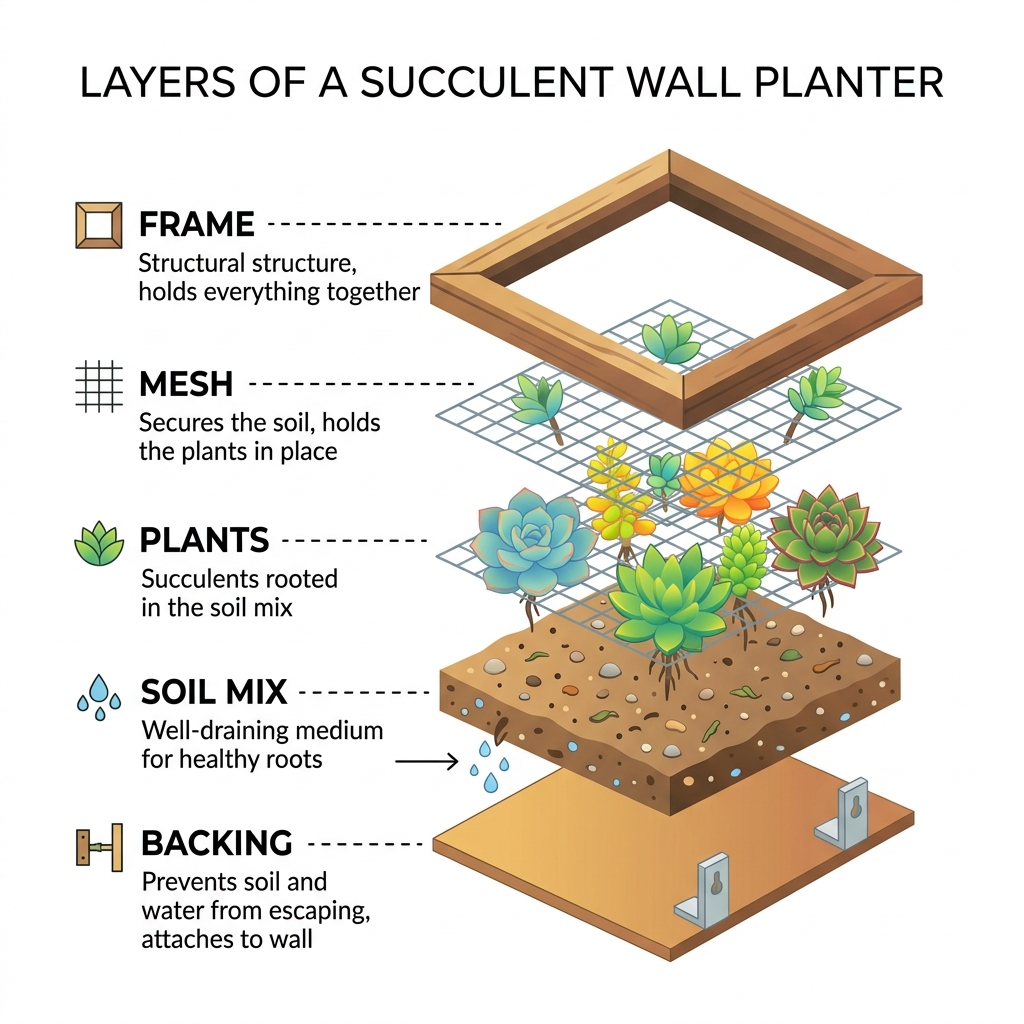
- Build or buy a shallow frame with a mesh front and plywood backing
- Fill it with well-draining cactus soil mixed with sphagnum moss
- Push succulent cuttings through the mesh into the soil
- Lay it flat for 2-4 weeks while roots take hold
- Hang securely on a wall stud and water every 1-2 weeks
Succulents are a natural fit for vertical gardening. They store water in their leaves, tolerate root disturbance during transplanting, and stay compact — making them ideal for tight spaces where a traditional pot simply won’t work.
The appeal goes beyond practicality. A living succulent wall turns a blank fence, bare indoor wall, or awkward corner into something that feels genuinely alive. It’s low-maintenance art.
And the barrier to entry is low. You can start with a thrift store picture frame and a handful of cuttings, or step it up with cedar boards and hardware cloth. Either way, the result looks far more impressive than the effort it takes.
Whether you have a sunroom, a backyard fence, or just a blank wall in your apartment — this project fits.
Essential Materials for Your DIY Succulent Wall Planter
Before we start sawdust-making and soil-mixing, we need to gather our supplies. Building a diy succulent wall planter doesn’t require a master carpenter’s workshop, but having the right components ensures your plants stay healthy and your wall stays dry.
The Structural Components
To create the “box” that holds the life-giving soil, you’ll need a few key items:
- Shadow Box or Picture Frame: For beginners, an upcycled picture frame is a fantastic starting point. If you’re building from scratch, cedar or redwood are excellent choices because they naturally resist rot.
- Plywood Backing: This keeps the soil in. We recommend using exterior-grade plywood if your planter is heading outdoors.
- Hardware Cloth or Chicken Wire: This is the “front” of your planter. A 1/2-inch grid is usually perfect—small enough to hold soil but large enough for succulent stems.
- Z-bar Brackets or Heavy-Duty Hangers: A fully planted and watered wall planter can be surprisingly heavy (sometimes upwards of 50 lbs for larger versions!). Z-bar brackets are our favorite for distributing weight safely.
The Growing Medium
Succulents are picky about their “feet” getting wet. They hate sitting in soggy soil.
- Soil: Use a high-quality Pro-Mix Cactus Soil. Its higher sand content helps keep moisture from rotting the roots.
- Sphagnum Moss: This is the secret ingredient. Mixing moss with your soil helps retain just enough moisture while preventing the dirt from falling out through the wire mesh when you hang it up.
- Wood Glue and Fasteners: Use a waterproof glue like gorilla glue and a staple gun to secure your mesh and backing.

If you’re worried about the commitment of live plants, you can always start with a faux version. Here is a quick comparison to help you decide:
| Feature | Real Succulents | Faux Succulents |
|---|---|---|
| Maintenance | Low (watering every 2 weeks) | Zero |
| Growth | Changes and fills in over time | Stays the same |
| Light Needs | Needs 6+ hours of sun | Any location (even dark halls) |
| Cost | Ongoing (soil/water) | One-time purchase |
| Vibe | Authentic, air-purifying | Decorative, maintenance-free |
For those choosing the living route, it’s worth checking out indoor succulent care tips for beginners to ensure your new art piece thrives.
Step-by-Step Guide to Building and Planting
Ready to get your hands dirty? We’ve broken this down into a simple process that even a DIY novice can follow.
Step 1: Build the Frame If you aren’t using a pre-made frame, cut your wood (like cedar or pine) into four pieces to create a box. We suggest a depth of about 2 to 4 inches. Use a miter saw for those clean 45-degree mitered corners. Once the box is glued and nailed, apply an exterior sealer to protect the wood from moisture.
Step 2: Add Drainage and Backing Drill small drainage holes (about 1/16 inch) into the bottom side of your frame. This allows excess water to escape, preventing the dreaded root rot. Attach your plywood backing using screws or nails.
Step 3: Source Your Plants You want a variety of shapes and colors. Arts Nursery is a great place to look for inspiration; they often suggest choosing plants with quirky personalities to give your wall “character.”
Preparing the Mesh and Soil for a DIY Succulent Wall Planter
Now we need to create the “sandwich” that holds everything together.
- Staple the Mesh: Take your hardware cloth or chicken wire and staple it to the inside or the front of the frame. Make sure it’s taut.
- The Moss Barrier: Place a layer of damp sphagnum moss against the wire. This acts as a filter, keeping the soil in while allowing you to poke plant stems through.
- Pack the Soil: Fill the frame with your best soil for succulents. A pro tip we’ve learned: mix 2 parts soilless potting mix with 1 part coarse sand for “sharp” drainage. Pack it tightly! If there are air pockets, the soil will shift and settle when you hang the planter, potentially leaving your top plants high and dry.
- Seal the Back: If you haven’t already, secure your back board. Some DIYers like to use an acrylic sheet for the back so they can monitor root growth, but plywood is the sturdy standard.
How to Plant Succulents in a DIY Succulent Wall Planter
This is the “artistic” part of the project.
- Prepare Your Cuttings: If you’re using cuttings, make sure the stems are at least 1/4 inch long. Crucially, let them “callus” (dry out) in a cool area for 2-3 days before planting. This prevents them from absorbing too much water and rotting immediately.
- The Chopstick Method: Use a chopstick or a pencil to poke a hole through the mesh and moss into the soil.
- Planting: Gently push the succulent stem into the hole. Start with your larger “anchor” plants (like Echeveria or larger Sempervivums) and fill in the gaps with smaller sedums.
- Secure the Heavyweights: For top-heavy plants, you can use a landscape staple to pin them against the mesh until their roots take hold.
- The Waiting Game: This is the hardest part. Do not hang your planter immediately. Lay it flat in a spot with bright, indirect light for at least 2 to 4 weeks. This gives the roots time to knit into the soil. If you hang it too soon, gravity will pull your beautiful plants right out of their holes!
For more inspiration on making your plants pop, check out our guide on how to create a statement piece with a diy succulent terrarium.
Maintenance and Troubleshooting Tips
Once your diy succulent wall planter is hanging, the work isn’t over—but it is easy.
Watering Frequency Succulents are drought-tolerant, but they aren’t camels; they do need water. Generally, an indoor planter needs water once a month, while an outdoor one might need it every two weeks. In the heat of a California summer, you might even bump that up to once a week.
The Best Way to Water Don’t just spray the front with a hose. The best method is to take the planter off the wall, lay it flat, and water it thoroughly with a watering wand or watering can. Let it sit flat for about 30 minutes to drain before rehanging. This prevents water from pooling at the bottom and causing rot.
Light Requirements Most succulents love morning sun or dappled shade. Avoid harsh, direct afternoon sun, which can scorch the leaves—especially in a vertical setup where the soil dries out faster.
Signs of Trouble
- Wrinkled Leaves: Your plants are thirsty. Give them a good soak.
- Yellow/Mushy Leaves: This is a sign of overwatering. Let the soil dry out completely.
- Stretching (Etiolation): If your plants are getting “leggy” and reaching in one direction, they aren’t getting enough light.
Frequently Asked Questions about Succulent Walls
How often should I water my vertical planter?
We recommend checking the soil once a week. If the soil is dry and pulled away from the edges of the frame, it’s time to water. Indoors, this usually happens every 3-4 weeks. Outdoors, expect to water every 7-14 days. Always use the “soak and dry” method—saturate the soil completely, then wait for it to be bone-dry before watering again.
How do I hang a heavy succulent planter safely?
Safety first! A large planter can weigh as much as a small child once the soil is wet. Always try to mount your hardware into wall studs. If a stud isn’t available, use high-quality toggle anchors. We highly recommend using a Z-bar bracket (also known as a French cleat) because it provides a secure, level mount that makes it easy to take the planter down for watering.
Can I use a picture frame for this project?
Absolutely! Upcycling a thrift store picture frame is a classic beginner move. Just remember that most picture frames are shallow. You may need to build a “shadow box” extension on the back using scrap wood to give the roots enough depth (at least 2 inches) to grow. If the frame is made of cheap particle board, be sure to seal it well, or the moisture from the soil will cause it to fall apart over time.
Conclusion
Building a diy succulent wall planter is more than just a gardening project; it’s a way to bring a piece of the natural world into your living space. Whether you’re using a repurposed frame or building a custom cedar masterpiece, the result is a living tapestry that grows and changes with you.
At Opcion Rural, we believe that everyone should have access to the joy of creating their own home ecosystems. From the sunny farms of California to your own backyard, succulents are the perfect partner for your next creative adventure.
Ready to dig in? Start your next project at Opcion Rural and transform your home one plant at a time!
