
Bring Nature Indoors: What You Need to Know About Moss Frame Decor
A moss frame decor tutorial walks you through creating a wall art piece made from preserved moss attached to a frame or backing board. Here’s the quick version:
How to make a moss frame (overview):
- Choose a wood frame or panel as your base
- Select preserved moss (reindeer, sheet, or cushion moss)
- Apply hot glue to the frame surface in sections
- Press moss firmly into the glue using the back of a paintbrush
- Fill gaps, add decorative elements, and let dry
- Hang away from direct sunlight
Total cost: as low as $24. Total time: under 1 hour.
Walk into almost any home decor store and you’ll spot framed moss art selling for $98 or more per piece. But the truth is, you can recreate that same lush, natural look at home for a fraction of the price — and it takes less than an hour.
Moss wall art is part of a broader design trend called biophilic design — the idea of bringing natural elements into your living space. It’s perfect if you love the look of greenery but don’t have the space, light, or time for live plants.
The secret? Preserved moss requires zero maintenance. No watering. No sunlight. No special care beyond keeping it away from direct sun.
Whether you have a blank wall crying out for texture, or you’re building a gallery wall on a budget, moss frame art is one of the most satisfying beginner DIY projects you can tackle.

Understanding Moss Art and Material Selection
Before we dive into the glue and greenery, we need to understand the medium. At its core, moss art (sometimes called “moss painting”) is an eco-friendly way to use botanical elements to create 2D or 3D designs. It is the ultimate solution for those of us who love nature but might have a history of… let’s say, “unintentional plant homicide.”
The most critical decision you’ll make in this moss frame decor tutorial is the type of moss you use. For indoor art, we almost exclusively recommend preserved moss.
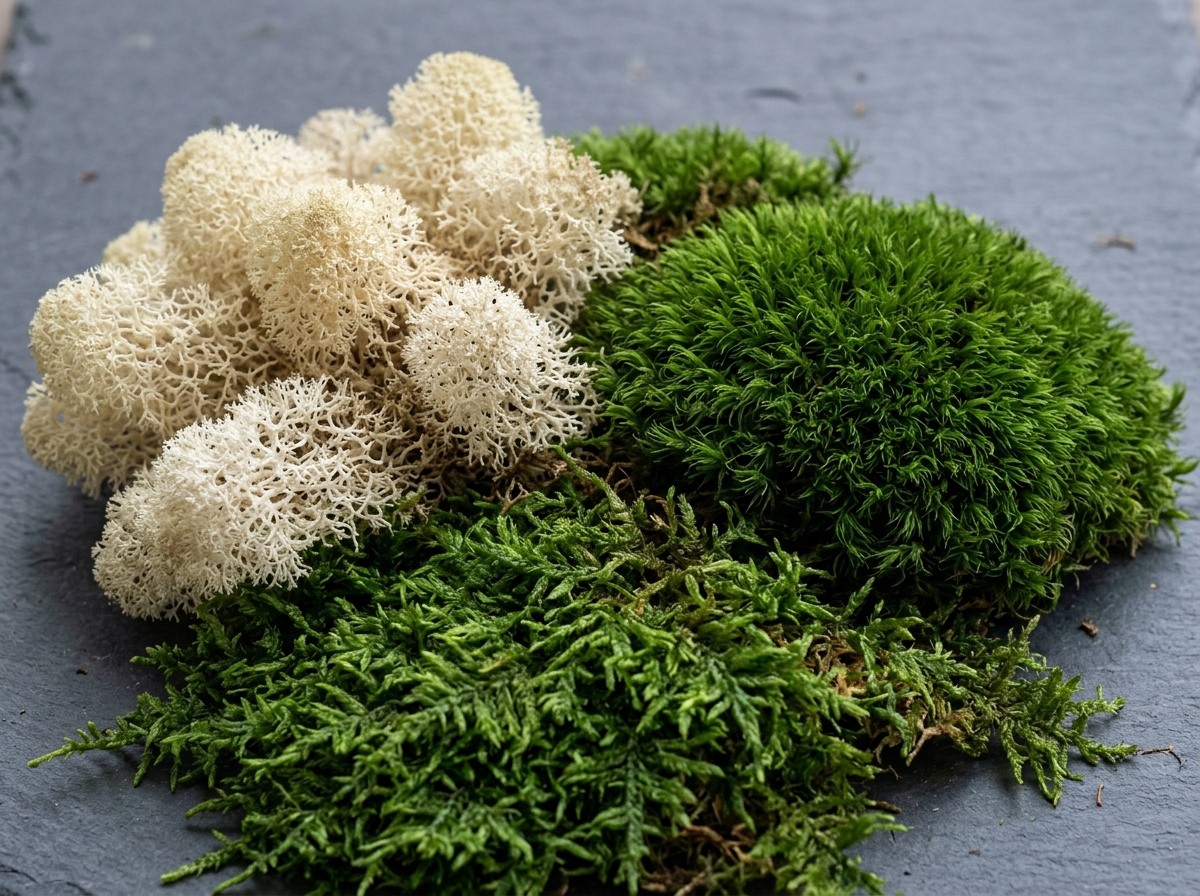
Preserved vs. Live Moss: The Great Debate
You might be tempted to go out into the woods, scrape some moss off a rock, and glue it to a frame. While we love the enthusiasm, live moss is a high-maintenance roommate. It requires constant humidity and specialized lighting to stay green. Indoors, live moss often leads to mold issues or eventually turns into a brown, crunchy disappointment.
Preserved moss, on the other hand, is real moss that has had its water content replaced with a preservative, typically glycerol. This treatment keeps the moss soft, pliable, and vibrantly colored for years without needing a single drop of water. If you want to dive deeper into larger formats, check out the step-by-step guide to creating a moss wall art installation.
| Feature | Preserved Moss | Live Moss |
|---|---|---|
| Watering | Never | Constant misting/humidity |
| Light Needs | Low light / No sun | Indirect but consistent light |
| Maintenance | Zero | High |
| Indoor Safety | No mold risk | Possible mold/pest issues |
| Longevity | 5-10+ years | Varies by care |
Essential Supplies for Your Moss Frame Decor Tutorial
To get started, you don’t need a professional workshop. In fact, many of these items can be thrifted or found in your kitchen junk drawer.
- The Base: A shadow box, a simple wood frame, or even a repurposed stretched canvas works perfectly.
- The Moss: We recommend a mix of reindeer moss (for height and “puffiness”), sheet moss (for covering large flat areas), and mood moss (for thick, velvety mounds).
- Adhesive: A high-temp hot glue gun is the MVP here, though tacky glue works for kids’ projects.
- Tools: Scissors for trimming, a paintbrush (we’ll use the handle!), and gloves (some dyes in preserved moss can turn your hands green).
- Accents: Faux succulents, preserved branches, or small stones add that “forest floor” realism.
Incorporating these elements helps bridge the gap between sterile interiors and the natural world. This connection is backed by scientific research on the benefits of biophilic design in home environments, which suggests that even looking at natural textures can lower stress levels. If you enjoy this vertical greenery, you might also want to build terrarium wall art for a stunning indoor garden.
Choosing the Right Adhesives and Backing
While the frame provides the border, the “backing” is what holds the weight. If you are using a standard picture frame, you can glue directly onto the cardboard backing provided. However, for larger pieces, we recommend corrugated plastic or thin plywood.
Pro Tip: Before you start gluing, paint your backing with green acrylic paint. Why? Because if there are tiny gaps between your moss clumps, a green background will hide them, whereas a white background will stick out like a sore thumb!
Preparing Your Frame for Success
Preparation is the difference between a project that looks like a “DIY fail” and one that looks like it came from a high-end boutique.
- Frame Prep: If you’re using raw wood frames, stain them first. We love a dark walnut or weathered gray to contrast with the bright green moss. Ensure you stain the inner edges of the frame, as these will be visible.
- Sanding: Give the frame a quick sand to ensure the glue bonds well.
- Hanging Hardware: This is the most forgotten step! Add your hanging hardware now. Whether you’re using D-ring hooks or picture wire, it’s much easier to hammer or screw them in before the frame is filled with delicate moss. For lightweight frames (like the 12×12 wood panels), Command strips are a fantastic, no-drill alternative.
Creating a base that is sturdy and aesthetically pleasing is the first step toward creating a plant wall that will make your neighbors green with envy.
Designing Your Layout in the Moss Frame Decor Tutorial
Don’t just start gluing! Layout is everything. We like to “dry fit” the design first.
- Visual Planning: Place your largest elements first. If you have a beautiful piece of driftwood or a large stone, position it off-center for a more natural, balanced look.
- Texture Contrast: Place “puffy” reindeer moss next to “flat” sheet moss. This creates peaks and valleys that mimic a real forest floor.
- Color Gradients: Use different shades of green (spring green, forest green, chartreuse) to create depth and movement.
Step-by-Step Assembly Instructions
Now for the fun part! Let’s get our hands (and maybe our glue guns) a little messy.
- Work in Sections: Apply a generous amount of hot glue to a 3-inch section of the backing. Don’t try to glue the whole frame at once, or the glue will dry before you can reach it.
- Tear and Press: Tear your reindeer moss into smaller, manageable chunks. This makes the moss go further and allows for tighter packing.
- The Paintbrush Trick: Our “toxic trait” is burning our fingers on hot glue. To avoid this, use the handle end of a paintbrush to press the moss firmly into the glue. This keeps your fingers safe and ensures the moss is anchored deep in the adhesive.
- Layering: Once your base layer is down, go back and add “tufts” of moss on top of other pieces to create 3D height. This adds a level of professional quality that flat moss art lacks.
- The Shake Test: Once the glue has dried for a few minutes, gently turn the frame over and give it a light shake. Anything that falls off needs another dab of glue.
This process relies on the longevity of the materials. Interestingly, research on glycerol preservation in botanical displays shows that this preservation method actually helps the moss retain its cell structure, which is why it stays so soft to the touch.
Incorporating Decorative Elements and Finishing Touches
To take your project from “crafty” to “artistic,” consider these additions:
- Faux Succulents: Tuck these into the thicker mounds of mood moss.
- Lichen and Twigs: Silver-toned lichen or “pussy willow” branches add a rustic, wintry charm.
- Hairspray Sealant: A light coating of extra-hold hairspray can help “lock in” smaller bits of moss and prevent shedding over time. (Just do this in a well-ventilated area!)
- Whimsical Accents: Some DIYers love adding small faux butterflies or even tiny “fairy garden” mushrooms for a touch of magic.
Caring for Your Preserved Moss Art
One of the best things about this moss frame decor tutorial is that the finished product is incredibly low-maintenance. However, “low maintenance” doesn’t mean “indestructible.”
- The No-Water Rule: Never, ever mist or water your preserved moss. Water will actually wash away the preservation glycerol and the dye, leaving you with a soggy, fading mess.
- Avoid Direct Sunlight: Strong UV rays will bleach the green pigment out of the moss over time. Place your art on an interior wall or a room with indirect light.
- Humidity Matters: If the air in your home becomes extremely dry (like in the dead of winter), the moss might feel a little crunchy. Don’t panic! It will soften up again when the humidity returns. If it really bothers you, a humidifier in the room can help.
- Dusting: Every few months, use a blow dryer on the cool, lowest setting to gently puff away any dust that has settled into the moss crevices.
Frequently Asked Questions about Moss Frame Decor
Can I use live moss for this moss frame decor tutorial?
Technically, yes, but we don’t recommend it for wall art. Live moss needs a constant supply of moisture. If you hang it on a wall, that moisture can seep into your drywall, leading to mold and structural damage. Furthermore, live moss indoors often turns brown within weeks without a very specific misting schedule and high-intensity light.
How long does preserved moss art last?
When kept out of direct sunlight and away from high-heat sources (like a fireplace mantle), preserved moss art can easily last 5 to 10 years. The colors may soften slightly over a decade, but the texture remains supple thanks to the glycerol treatment.
What is the best glue for moss frames?
For 90% of projects, a hot glue gun is the winner because it sets almost instantly. For very large, heavy pieces of wood or stone accents, you might want to supplement with a bit of industrial E6000 adhesive or wood glue for a permanent bond.
Conclusion
Creating your own nature-inspired masterpiece doesn’t require a huge budget or a green thumb. By following this moss frame decor tutorial, you can transform a simple wooden frame into a lush, biophilic statement piece that brings the serenity of the outdoors into your home.
At Opcion Rural, we believe that blending art and nature should be accessible to everyone. Whether you’re building a single frame for your office or an entire gallery wall of varying textures, the process is a therapeutic way to unplug and create something beautiful.
Ready to start your next creative project? Explore more of our guides on home ecosystems and nature-inspired living at https://www.opcionrural.com/. Happy crafting, and may your home always be a little bit greener!
